Chinese
From Dubai’s Office to Biotech: 3D Printing Redefines Manufacturing Boundaries
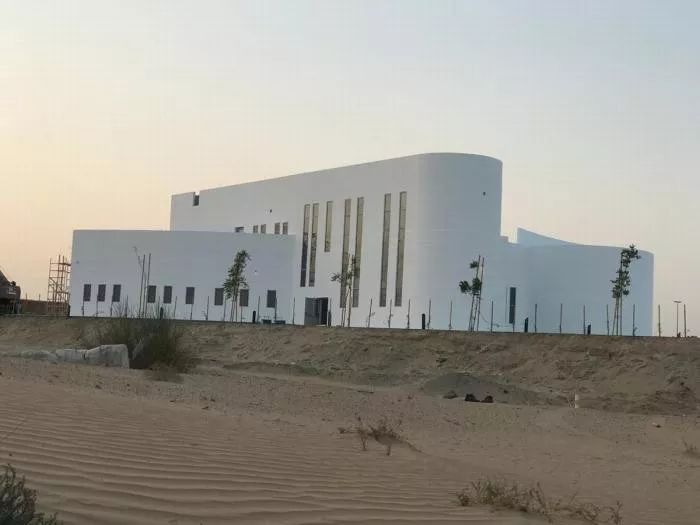
When the 9.5-meter-tall administrative building in Dubai’s Al Warsan district was completed, this world’s largest 3D-printed building not only became a new local landmark but also marked the shift of 3D printing technology from laboratory to large-scale commercial application. From cost reduction in construction to breakthroughs in biotech, and precise replication in cultural heritage, 3D printing is reshaping the logic of traditional industries with its core advantages of customization, low waste, and high efficiency.
Construction: From Dubai’s Strategy to Global Adoption, Cost & Efficiency Revolution Is Inevitable
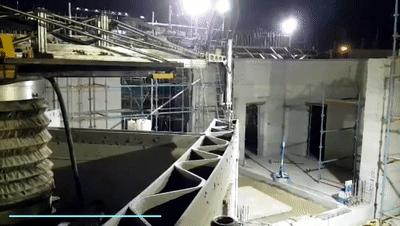
Dubai has long been a global pioneer in 3D-printed construction. In 2016, the world’s first 3D-printed office, the “Future Office,” was launched; in 2019, the 640 sq.m. administrative building built by Apis Cor set a new record again. The hollow walls of this building were entirely 3D-printed, requiring only 3 workers to cooperate with the equipment. Compared with traditional processes, labor input was reduced by 50%, construction waste by 60%, and the cost dropped from RMB 4.75 million to RMB 1.9 million. It has passed all safety inspections and has the same service life as conventional buildings.
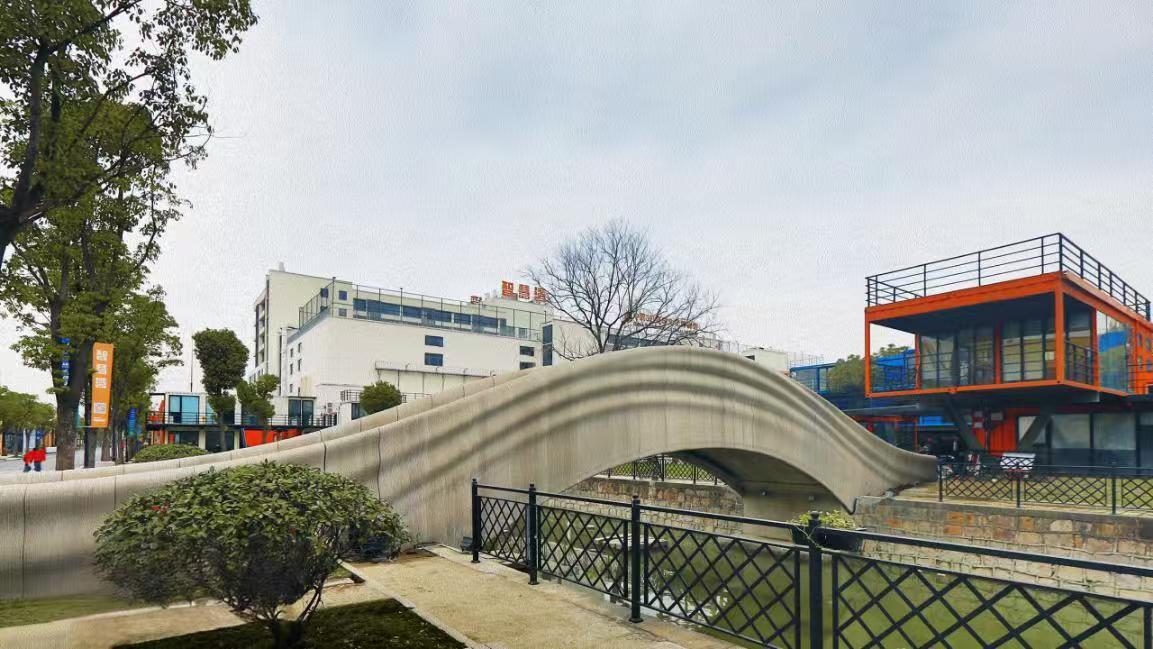
To promote technology popularization, Dubai has launched a global 3D printing strategy, stipulating that 25% of new buildings must adopt 3D printing technology by 2025. This trend is spreading worldwide: China built a 26.3-meter-long 3D-printed concrete footbridge in Shanghai, with a cost only two-thirds of that of traditional bridges; the Netherlands’ MX3D completed a 12.5-meter 3D-printed stainless steel bridge, becoming a unique scenery on Amsterdam’s canals.
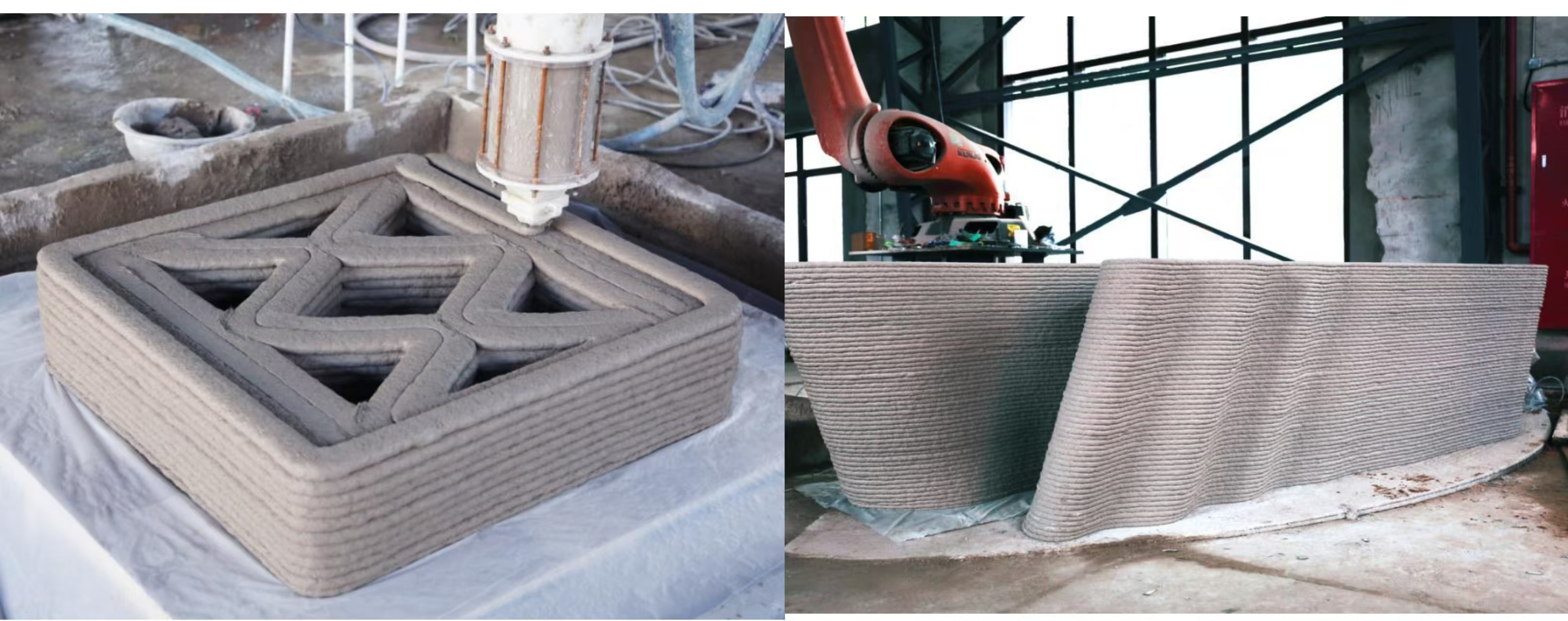
In this construction revolution, ceramic clay and concrete 3D printing have become core niche tracks. YQTechDev focuses on construction-grade 3D printing technology, optimizing the extrusion system for clay and concrete to address material adaptation challenges in high-temperature and high-humidity regions such as the Middle East. The industrial-grade printing equipment launched is compatible with environmentally friendly media such as recycled aggregates and clay-based materials, meeting the customized modeling needs of high-end projects in Dubai and adapting to the teaching and research scenarios of university intelligent construction laboratories, achieving full-scenario coverage from “large-scale infrastructure components to small decorative parts.”
Cross-Domain Breakthroughs: From Construction to Healthcare & Cultural Heritage, Technological Boundaries Continue to Expand
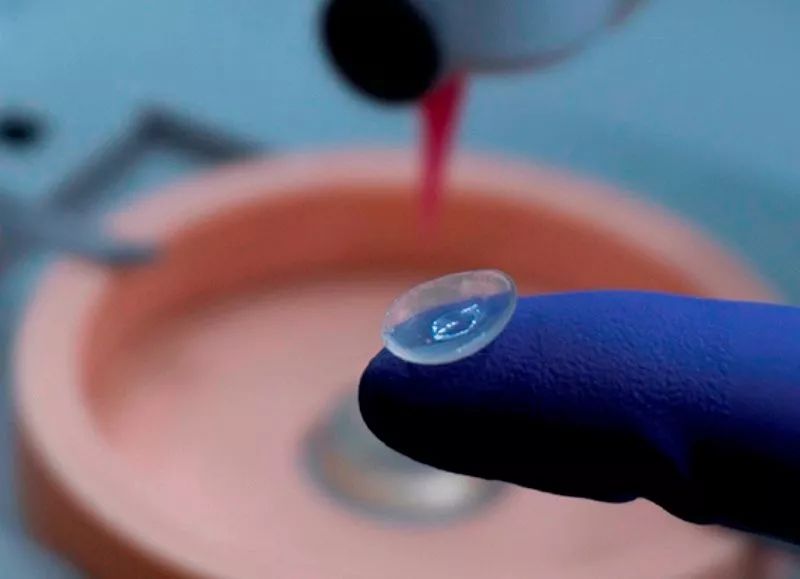
The potential of 3D printing goes far beyond construction. In the medical field, the advantage of customization has been brought into full play—hearing aids and orthodontic braces have achieved large-scale 3D printing, and the research and development of 3D-printed corneas has accelerated. In 2018, the University of Newcastle in the UK printed the world’s first artificial cornea using stem cell “bio-ink”; companies such as Precise Bio in the US and Pandorum in India have successively completed animal transplantation experiments, which are expected to replace corneal transplantation in the future and solve the shortage of organ donations.
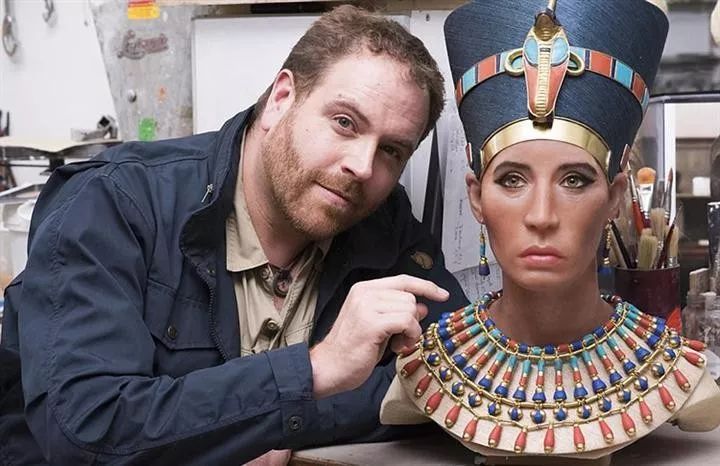
In the field of cultural heritage protection, 3D printing has become a “time restorer.” The British Museum and the University of Melbourne in Australia have restored the faces of mummies from more than 2,000 years ago using this technology; scientists have also accurately reconstructed the face of Nefertiti, the mother of the ancient Egyptian pharaoh Tutankhamun, with 3D printing, allowing historical civilization to continue in a digital way.
Future Outlook: Technology Integration, YQTechDev Empowers Enterprises to Seize New Tracks
A report by AMiner points out that 3D printing has broken through the bottlenecks of shape, material, hierarchical, and functional complexity in traditional manufacturing, accelerating the overall efficiency from “design to implementation.” With technological iteration, construction 3D printing will move towards “higher precision and more environmentally friendly materials,” medical 3D printing will march towards clinical applications, and ceramic clay 3D printing will release greater value in architectural decoration, cultural and creative art, and education and research.
As a deep player in the field of ceramic clay and concrete 3D printing, YQTechDev has always been guided by market demand: providing high-stability large-component printing solutions for construction enterprises; creating high-precision clay decorative part printing equipment for Middle Eastern art institutions; and developing user-friendly products suitable for teaching for university laboratories. We firmly believe that the era of 3D printing has arrived, and only by keeping up with the trend can we seize the opportunity in industrial transformation.