 English
English
English
 Chinese
English
English
Chinese
Chinese
English
English
Chinese
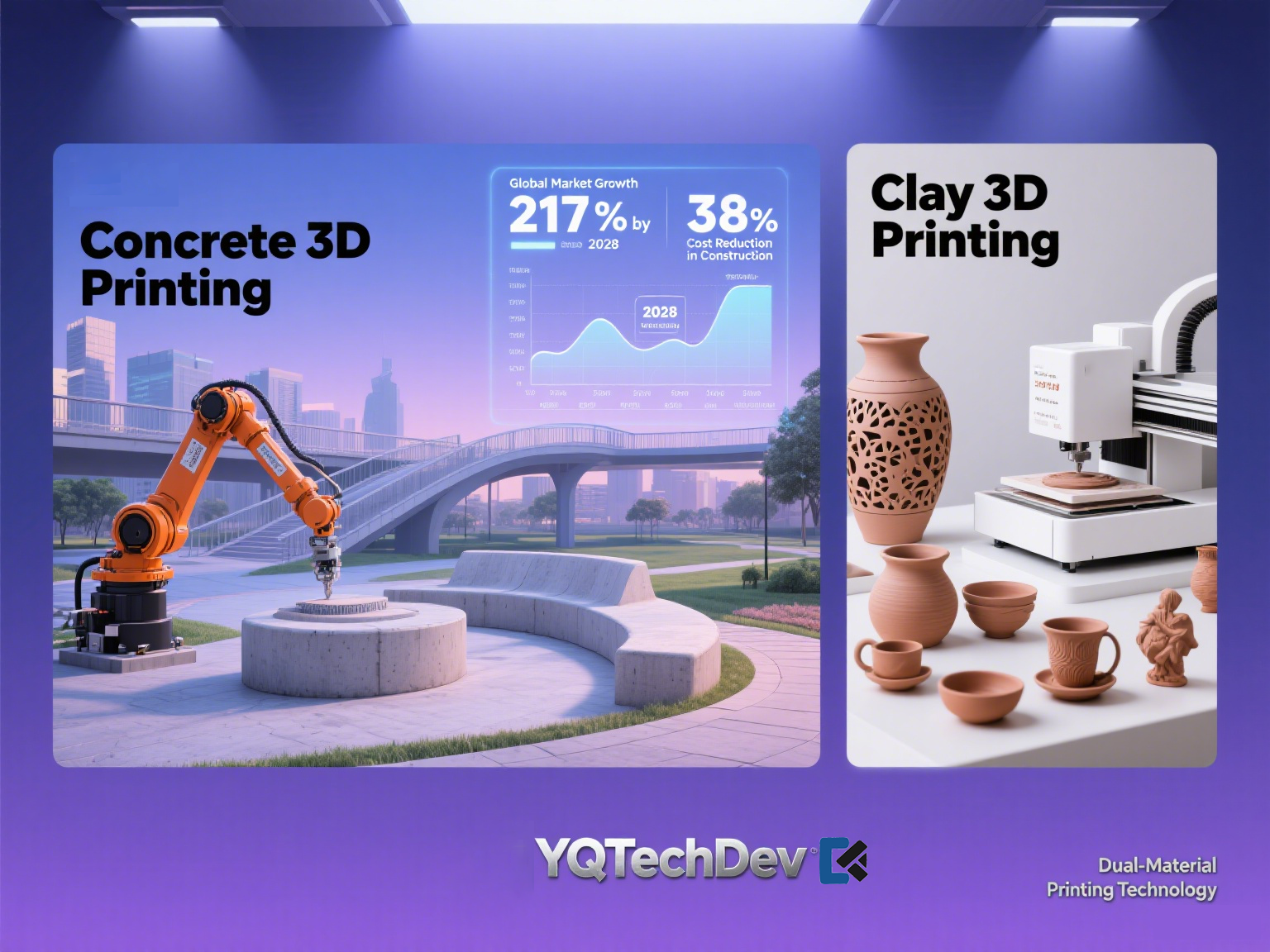
Welcome to the world of our clay 3D printers and 3D concrete printers, where cutting-edge technology meets creative craftsmanship to forge distinctive products! Our clay printers focus on creating custom ceramic products like vases, ornaments, and lamps, while our 3D concrete printers specialize in crafting landscape modules, outdoor garden tables and chairs, and artistic decorative modules for municipal projects. Each type of printer brings unique possibilities, blending innovation with artistry or practicality.
Whether you're a beginner eager to explore the realm of 3D printing with clay or concrete, a tech developer, or an entrepreneur aiming to offer specialized products, our printers are designed to meet your needs. In this guide, we'll break down the technology behind both printer types, clarify their distinct applications, and help you choose the right printer to turn your ideas into reality.
In this beginner's guide to 3D clay and concrete printing, we will:
It's a cutting-edge technology that transforms ordinary clay into intricate ceramic pieces by layering material with pinpoint precision. Whether you're envisioning a handcrafted vase with unique textures, a delicate ornamental sculpture, or a custom-designed ceramic lamp base, 3D clay printing bridges the gap between traditional pottery artistry and digital precision—letting you turn even the most complex designs into tangible, fired ceramic treasures.
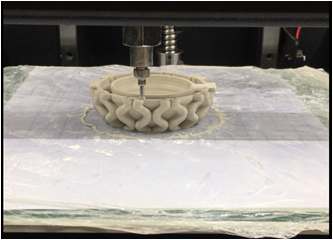
A game-changing method for outdoor and structural creation, 3D concrete printing builds durable, weather-resistant pieces by depositing concrete layer upon layer. From sleek landscape modules that define garden spaces to sturdy, stylish outdoor furniture like tables and benches, and even eye-catching municipal art installations that withstand the elements, this technology combines strength with unparalleled design freedom—no more limits to what you can build for the great outdoors.
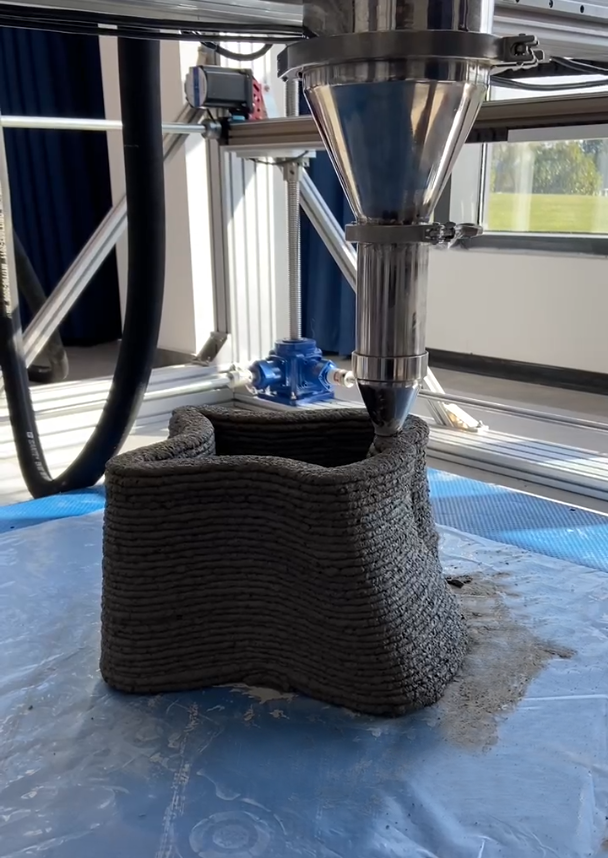
While both use layer-by-layer printing, their purposes and processes diverge sharply. 3D clay printing is all about fine artistry: it works with malleable clay that requires firing to harden, resulting in delicate, decorative ceramic pieces. 3D concrete printing, on the other hand, focuses on robust functionality: it uses quick-setting concrete that cures into rigid structures, built to endure outdoor conditions. These differences in materials, curing, and end-use make each technology a specialist in its own creative or practical domain.
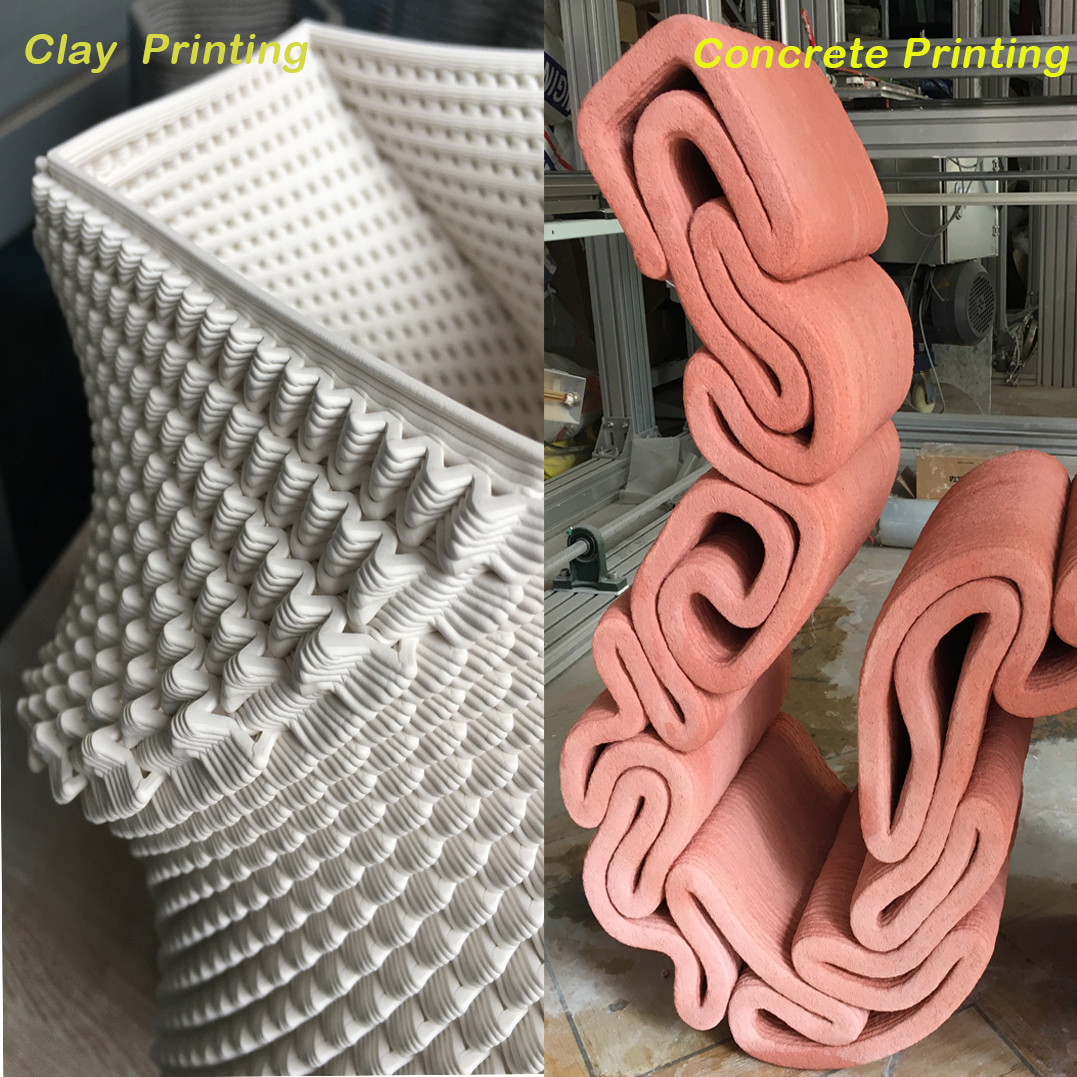
Both printers follow digital blueprints to bring designs to life, but their material handling sets them apart. 3D clay printers gently extrude soft, pliable clay through a precision nozzle, building up shapes that retain form until fired in a kiln. 3D concrete printers deposit specially formulated concrete that sets rapidly, layer by layer—no firing required, just durable results.
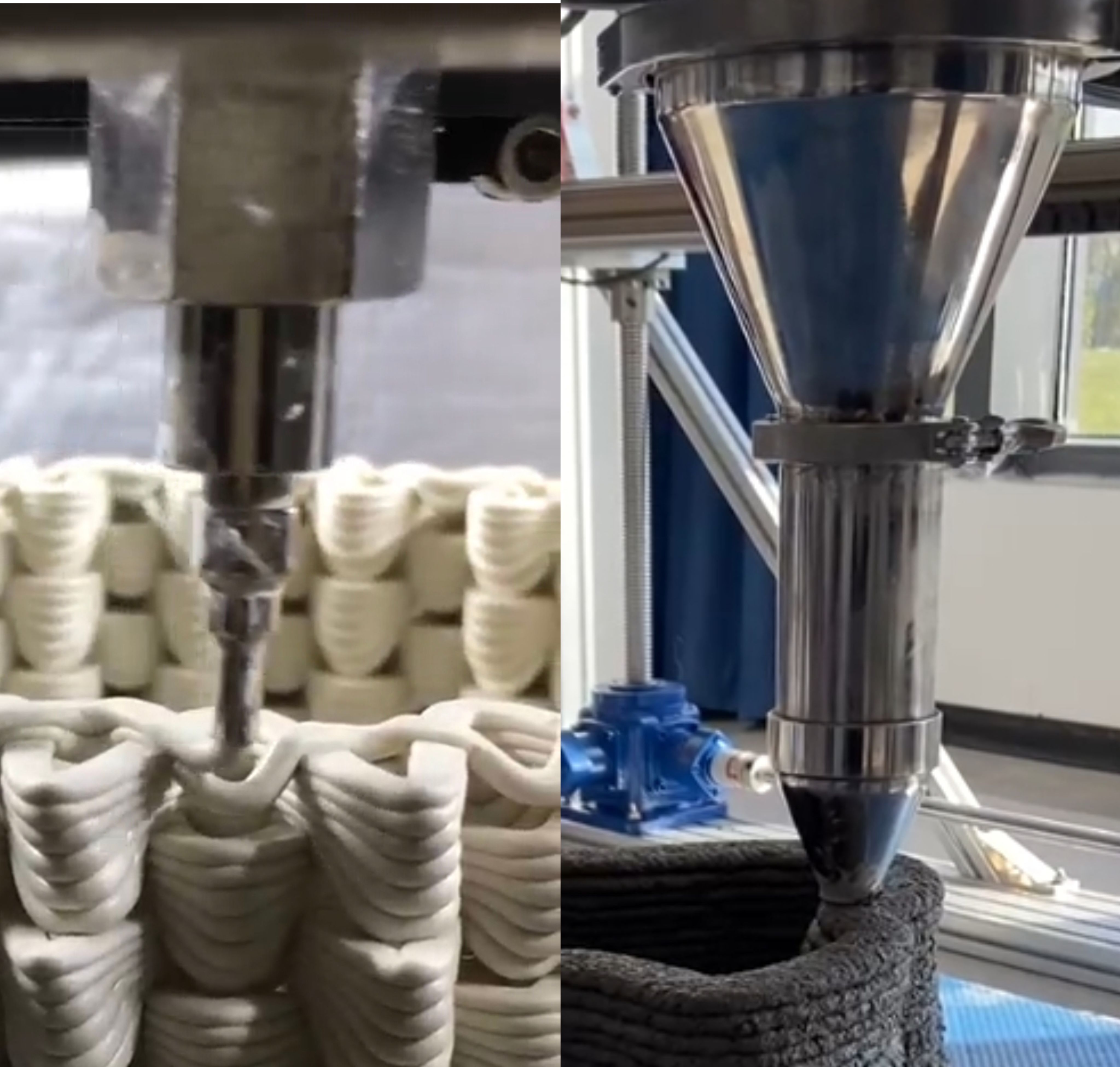
With 3D clay printers, the possibilities for custom ceramic decor are endless: think one-of-a-kind vases with swirling patterns, personalized ornaments that tell a story, or lamps with intricate cutouts that cast beautiful light. For 3D concrete printers, the focus is on outdoor innovation: design unique landscape modules to shape gardens, craft weatherproof garden furniture that blends with nature, or create bold public art installations that make a statement—all with designs that were once impossible to achieve with traditional methods.
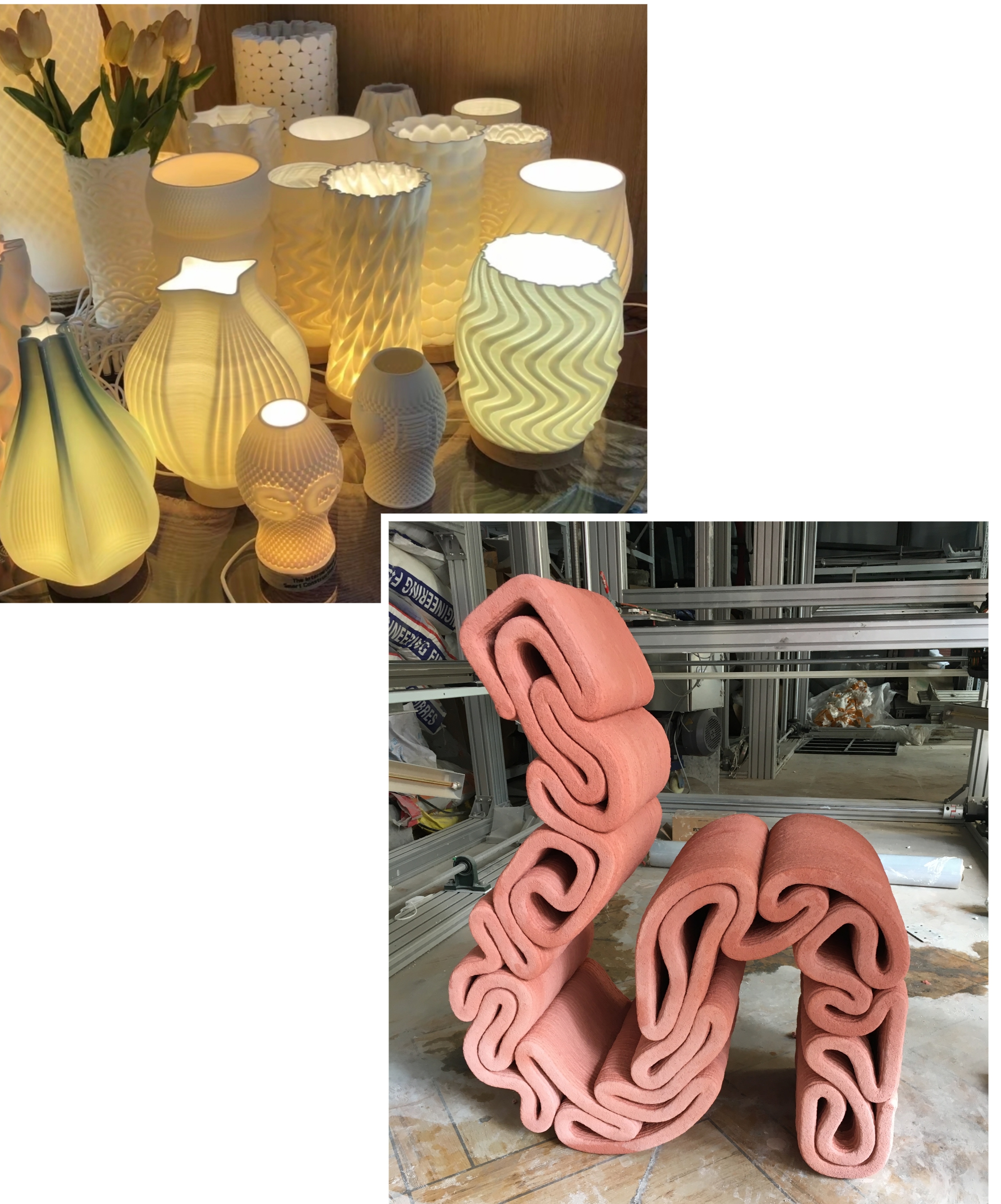
Clay printers work with purple clay, porcelain clay, silicon carbide, lacquer, etc., supporting color printing (Dehua kaolin recommended for high-end porcelain). Concrete models handle regular concrete, geopolymers, etc., with color gradient capability and adjustable proportions.
Clay printers work with purple clay, porcelain clay, silicon carbide, lacquer, etc., supporting color printing (Dehua kaolin recommended for high-end porcelain). Concrete models handle regular concrete, geopolymers, etc., with color gradient capability and adjustable proportions.
We provide online course guidance and remote technical support. In case of special faults that cannot be resolved through online communication, engineers can be dispatched to the destination country for assistance.
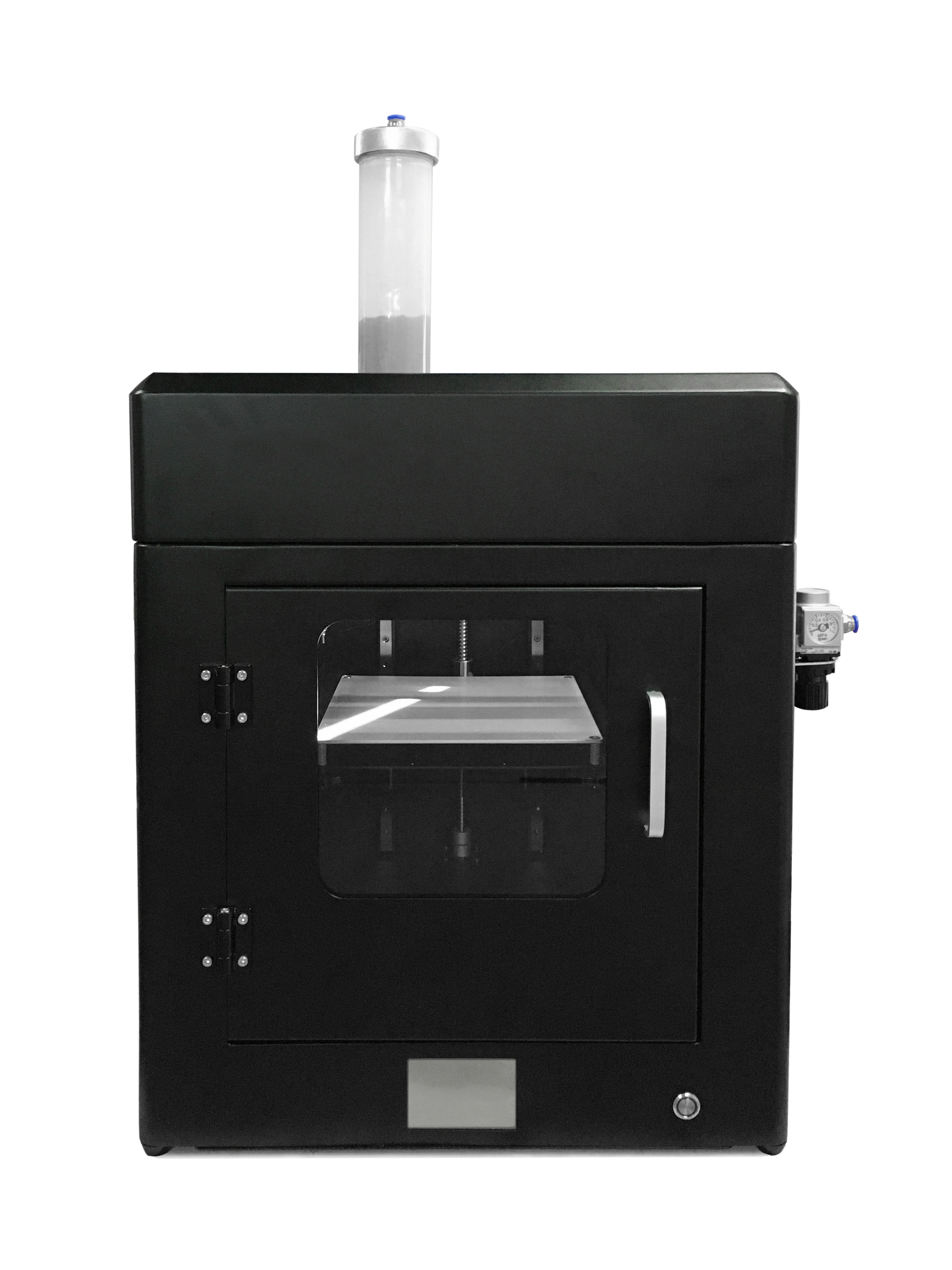
Its compact design fits seamlessly into labs and teaching spaces, with a print range perfect for small samples and creative prototypes.
Equipped with 1.0-2.0mm nozzles (ideal for demonstrating fine detailing principles) and a 3.5-inch intuitive touchscreen, it simplifies teaching demos and research tests, helping users quickly master core 3D clay printing techniques.
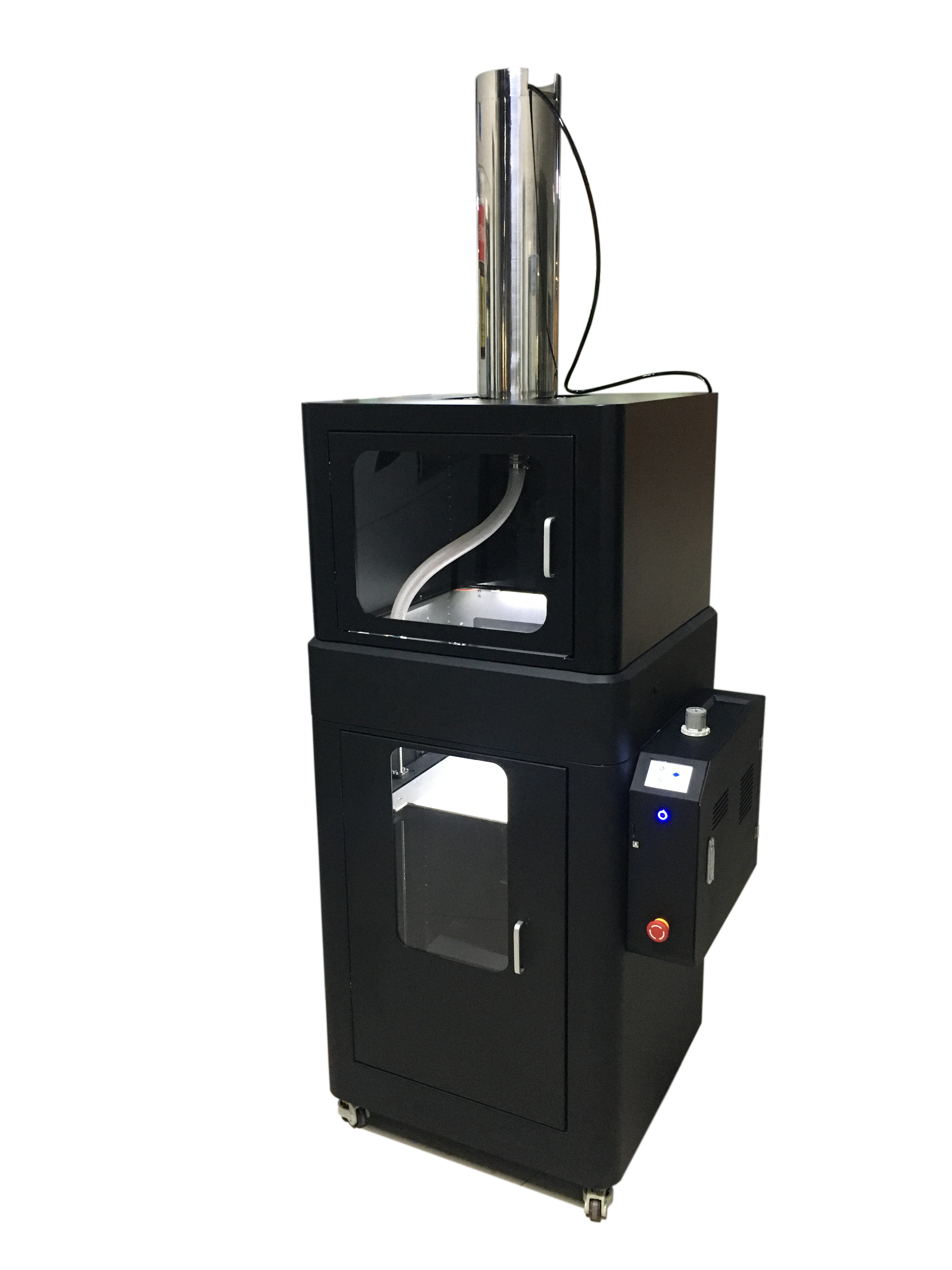
Its print range perfectly fits mainstream vases (30-60cm height) and lamps.
1.0-3.0mm multi-size nozzles adapt flexibly to pattern complexity: fine nozzles create delicate hollowed-out designs, while larger nozzles boost printing efficiency for simple bottle shapes.
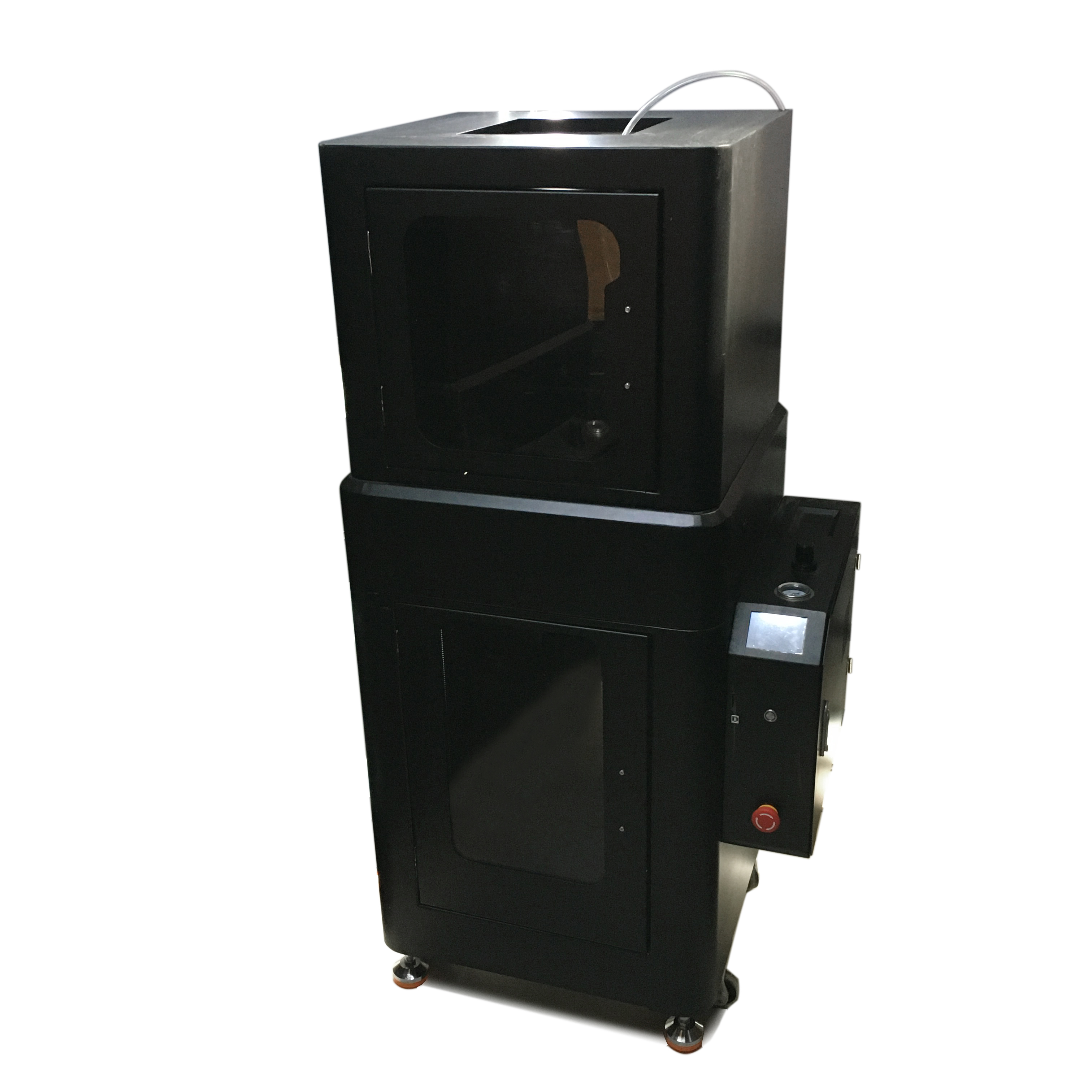
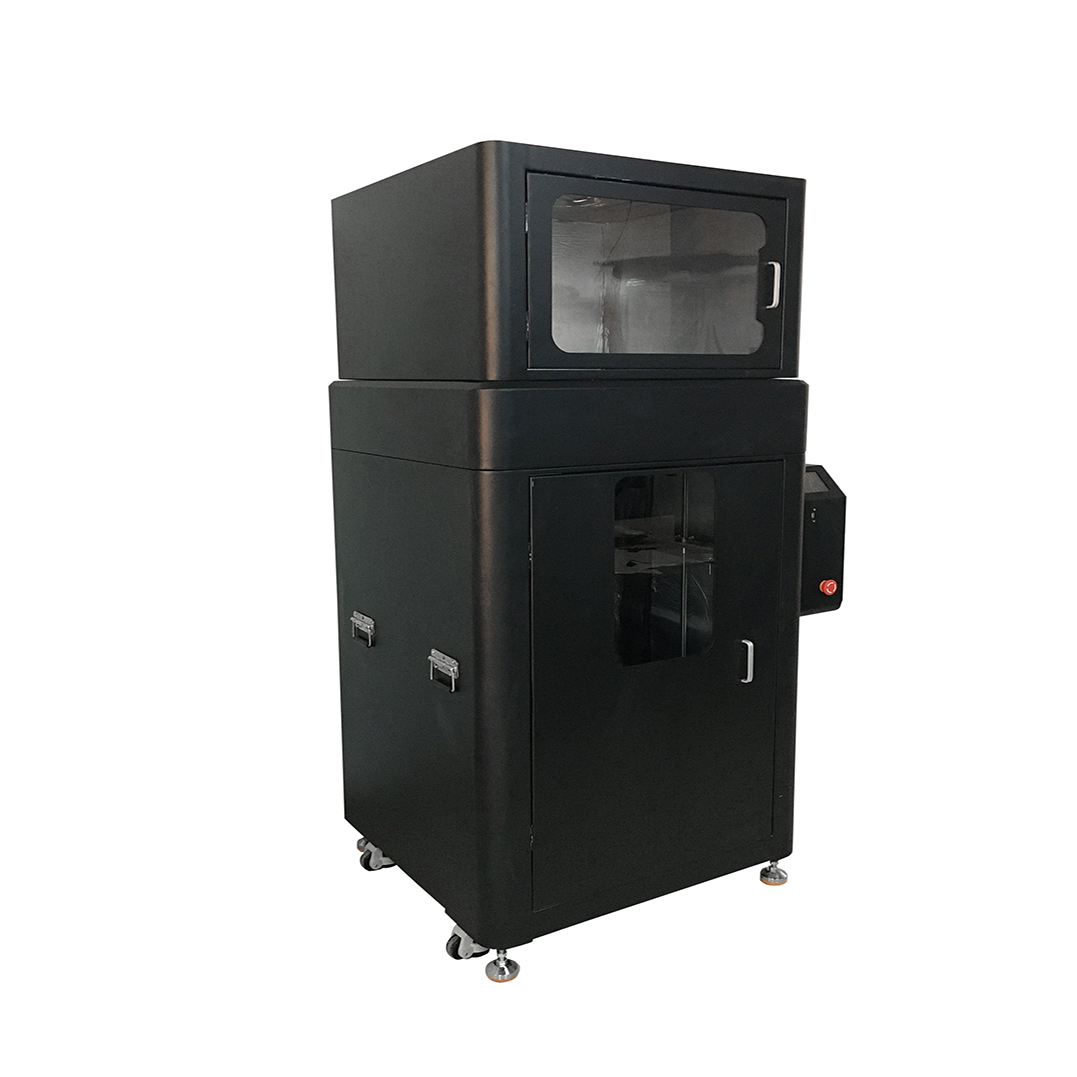
ZCC3040 (Entry-Level Cost-Effective Option) With 1.0-2.0mm nozzles, it handles basic patterns and flat-surface production. Ideal for beginners, it balances cost and practicality to meet foundational creation needs.
ZCC5080 (Extra-Large Format Option) For oversized ceramic parts (e.g., decorative ornaments over 60cm tall), its extended print range provides ample workspace for large-scale creations.
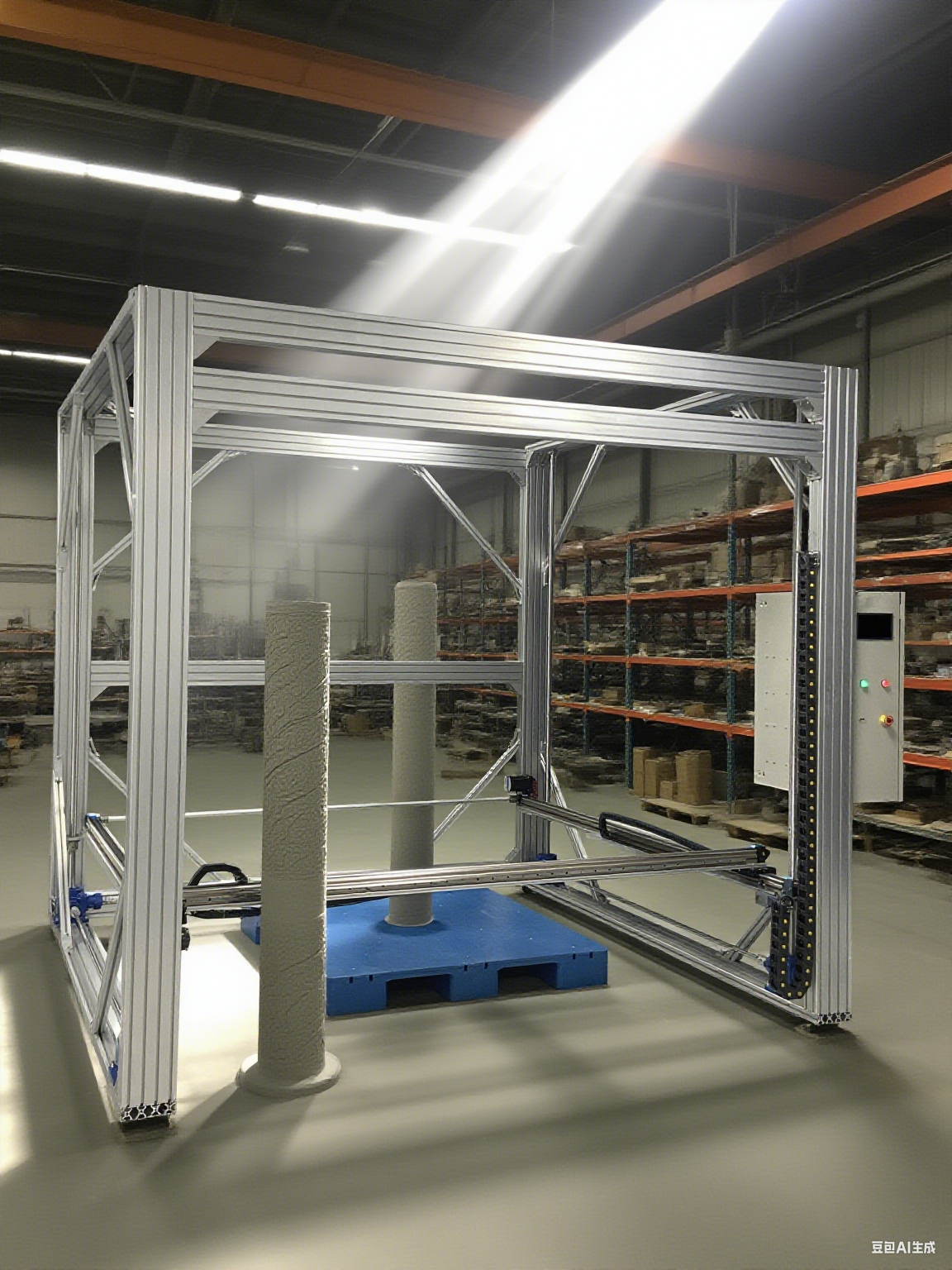
Medium-to-Large Structural Projects
Two factors matter for medium-large structures (decorative columns, landscape modules): project size and on-site space.
Limited space (workshops/ compact sites): ZCC1215H meets core needs with strong site compatibility, no equipment-related compromises.
Large-scale needs (pavilions/ landmarks): Custom ZCC2020H offers scalable printing space, ensuring structural accuracy for integral large structures.
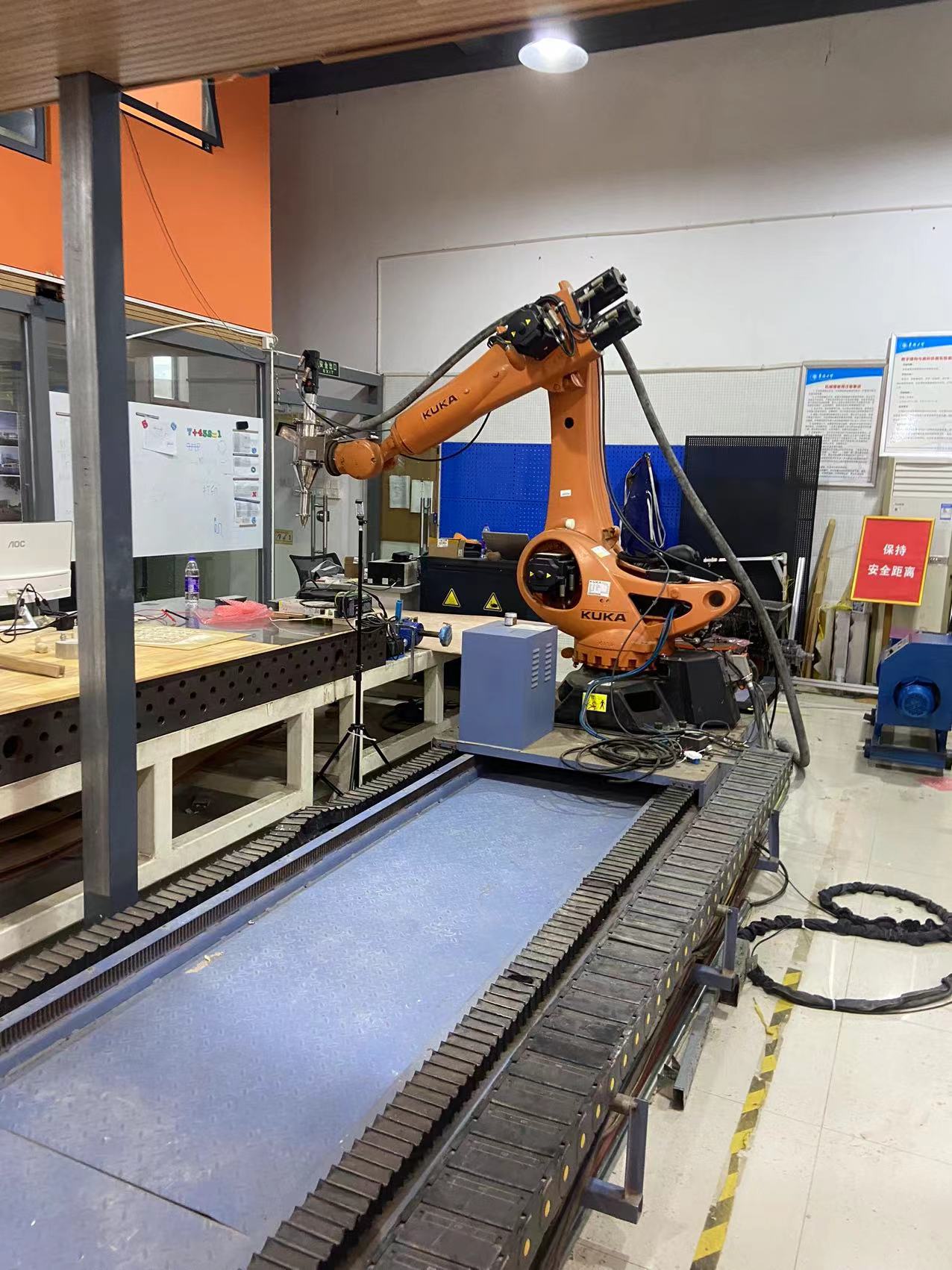
Extra-Large & Spatial Projects
For irregular, extra-long projects (curved walls, long-span corridors), linear printing is insufficient. Opt for the highly flexible custom ZCC2050JH.
Its robotic arm design enables free rotation across an extra-large range, precisely tracking curved paths. It ensures continuous printing for curves or ultra-long distances (10+ meters), ideal for complex, large-span architectural projects.
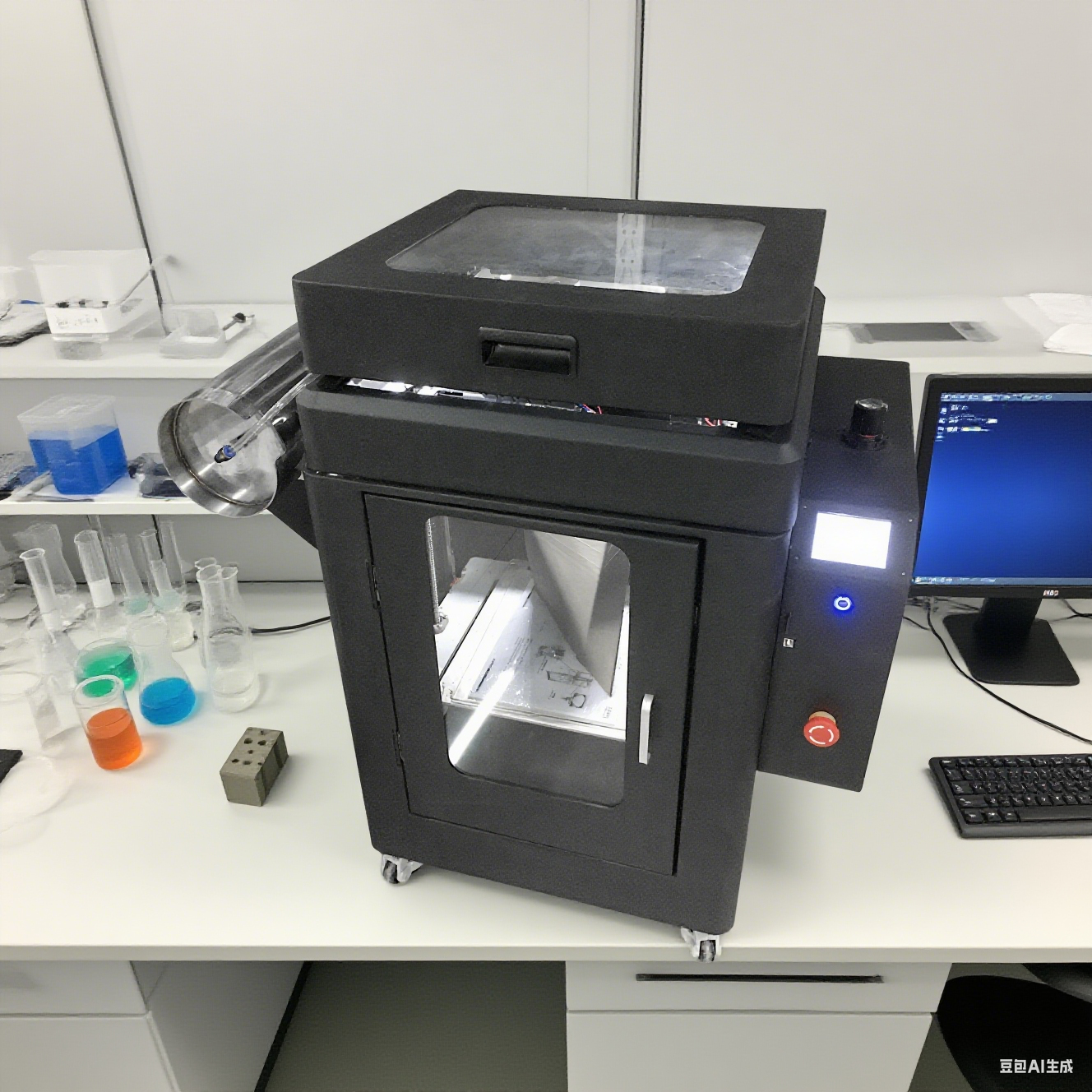
Laboratory Research and Material Testing: Evaluate by Research Goals & Spatial Constraints
Lab research focuses on material performance (fluidity, adhesion) and process optimization—not large-scale construction. Space is also a critical factor. Enter the custom ZCC4060H:
Precision Mode: For micro-performance observation and formula optimization.
High-Speed Mode: For simulating real-world engineering efficiency.
It is the ultimate compact solution for bridging lab research and practical production needs
Note: ZCC2020H, ZCC2050JH, ZCC4060H are custom-built only (no stock).
Concrete 3D printing projects demand unique specifications (dimensions, functions, costs). Off-the-shelf models cannot meet these bespoke requirements.
We customize each machine based on your project’s exact parameters (print range, site limits, functional needs) to ensure perfect alignment.
Need guidance? Share your project details with us, and we will tailor the optimal solution for you.
Our machines handle non-stop, high-intensity production easily. Wear parts are readily available (including on our site).
Versus major brands, we offer two key benefits: flexible expansion to grow with your business, and better pricing—not just cheaper, but smarter for manageable initial investment and future growth.
In today's global business landscape, 3D printing is reshaping traditional industries at unprecedented speed.
Clay and concrete 3D printers hold immense commercial potential, unlocking new profit horizons that bridge creative design with scalable, profitable commercialization.
Deliver precision craftsmanship for fashion accessories, small-batch gifts, and custom DIY elements—boosting brand margins and customer retention.
Concrete 3D Printing Value: Lead municipal infrastructure, landscape module, and urban ornamentation projects with scalable, subsidy-eligible production.
Eliminate molding limitations to create complex, high-impact structural components—driving stronger profits and green building compliance.
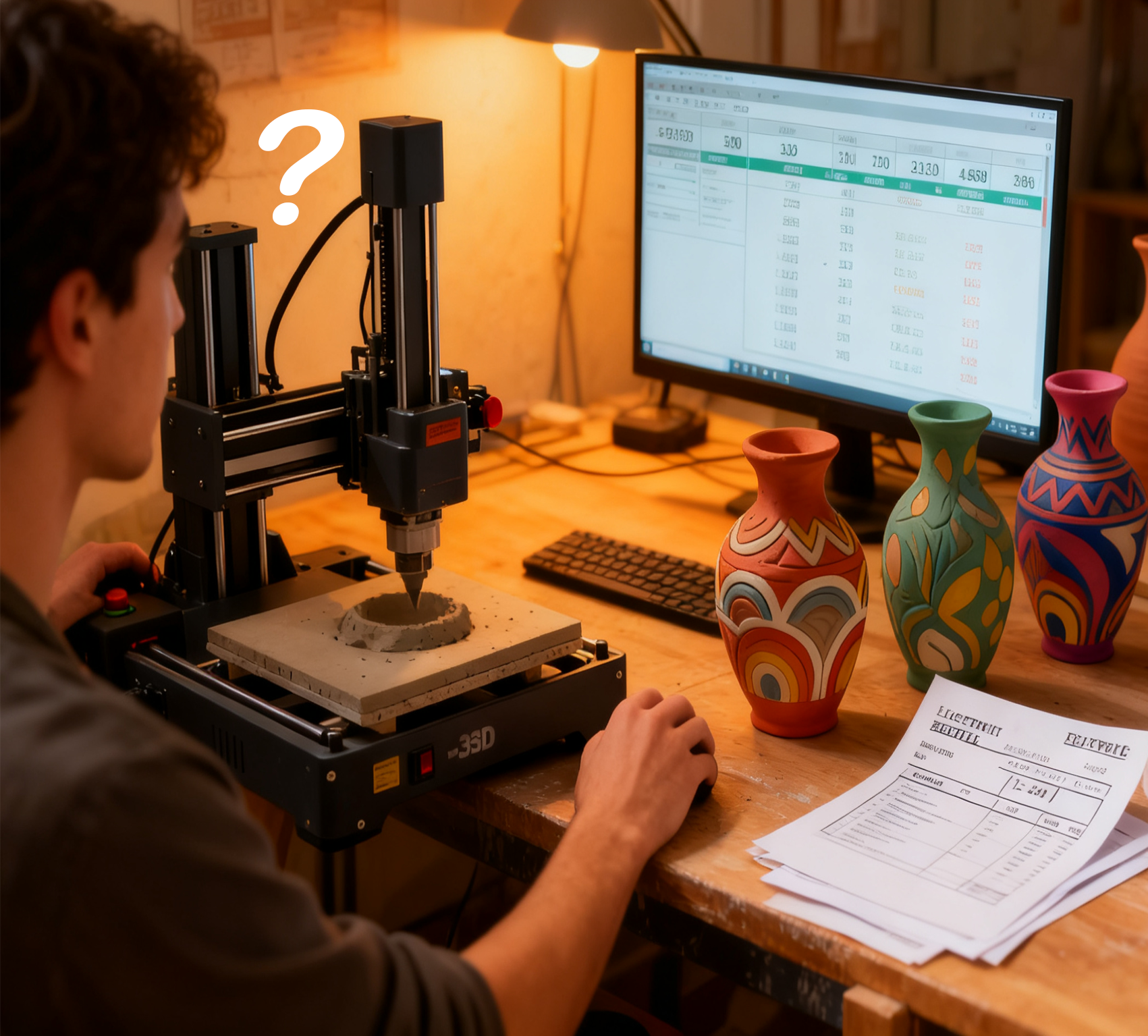
Whether you’re a business looking to try small-batch production of products with design elements, or an institution seeking equipment for research and education, you likely have some questions. Here are four key factors to consider before you buy a clay/concrete 3D printer:
Getting started is straightforward—here's why:

Works with popular open-source 3D printing software like Cura, PrusaSlicer, Blender. Download needed software via the official site's Supply section for easy 3D printing workflow.
Upload 3D designs directly to YQTechDev 3D Printer via Wi-Fi, Ethernet, or USB ports. Enjoy seamless 3D printer connectivity with any device!
All YQTechDev 3D printers come with comprehensive safety functions. Each unit is equipped with an emergency stop button, which instantly cuts off power during unexpected emergencies to protect both operators and the equipment.
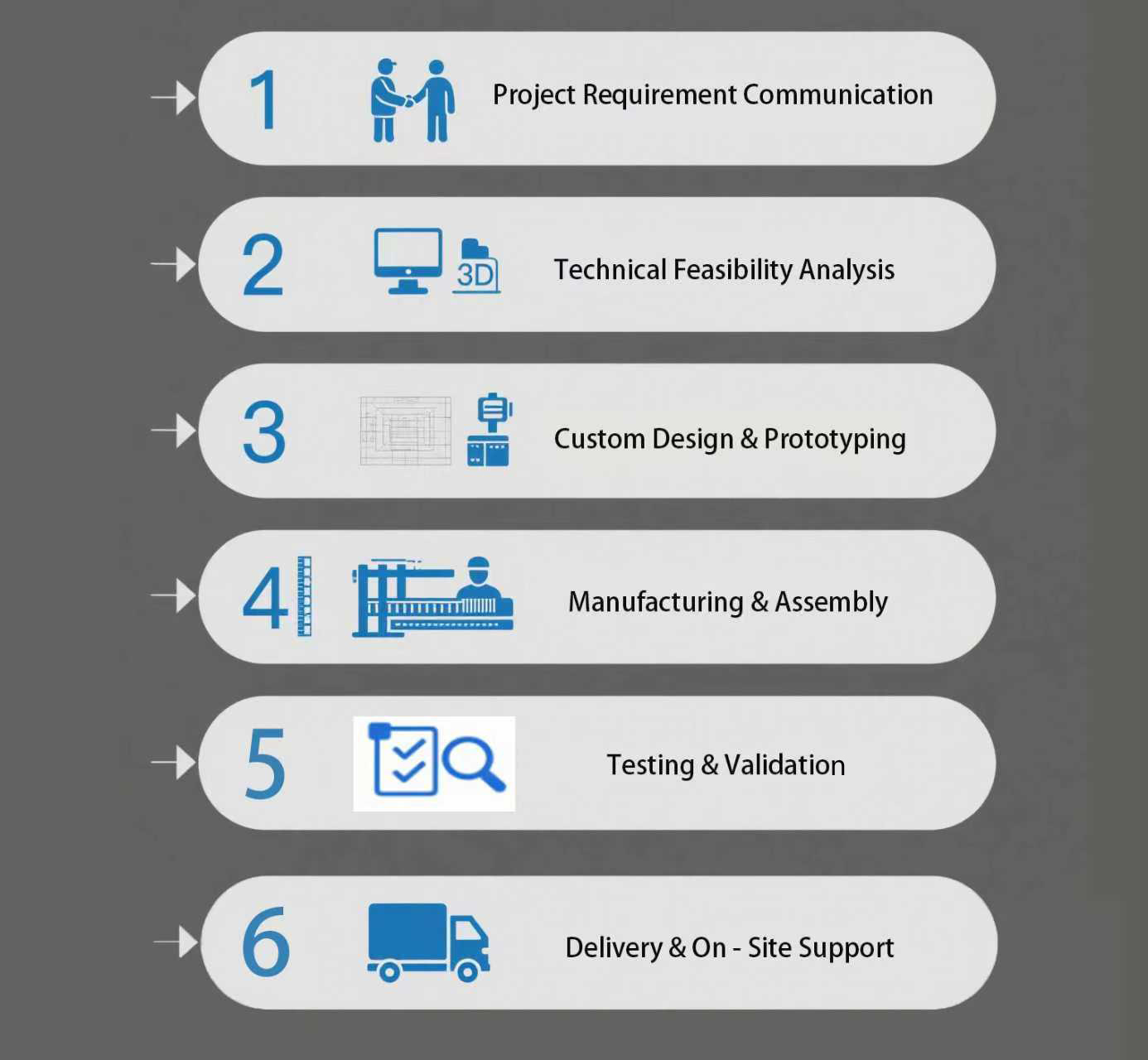
Users can order YQTechDev 3D printers and ceramic products online through the following process:


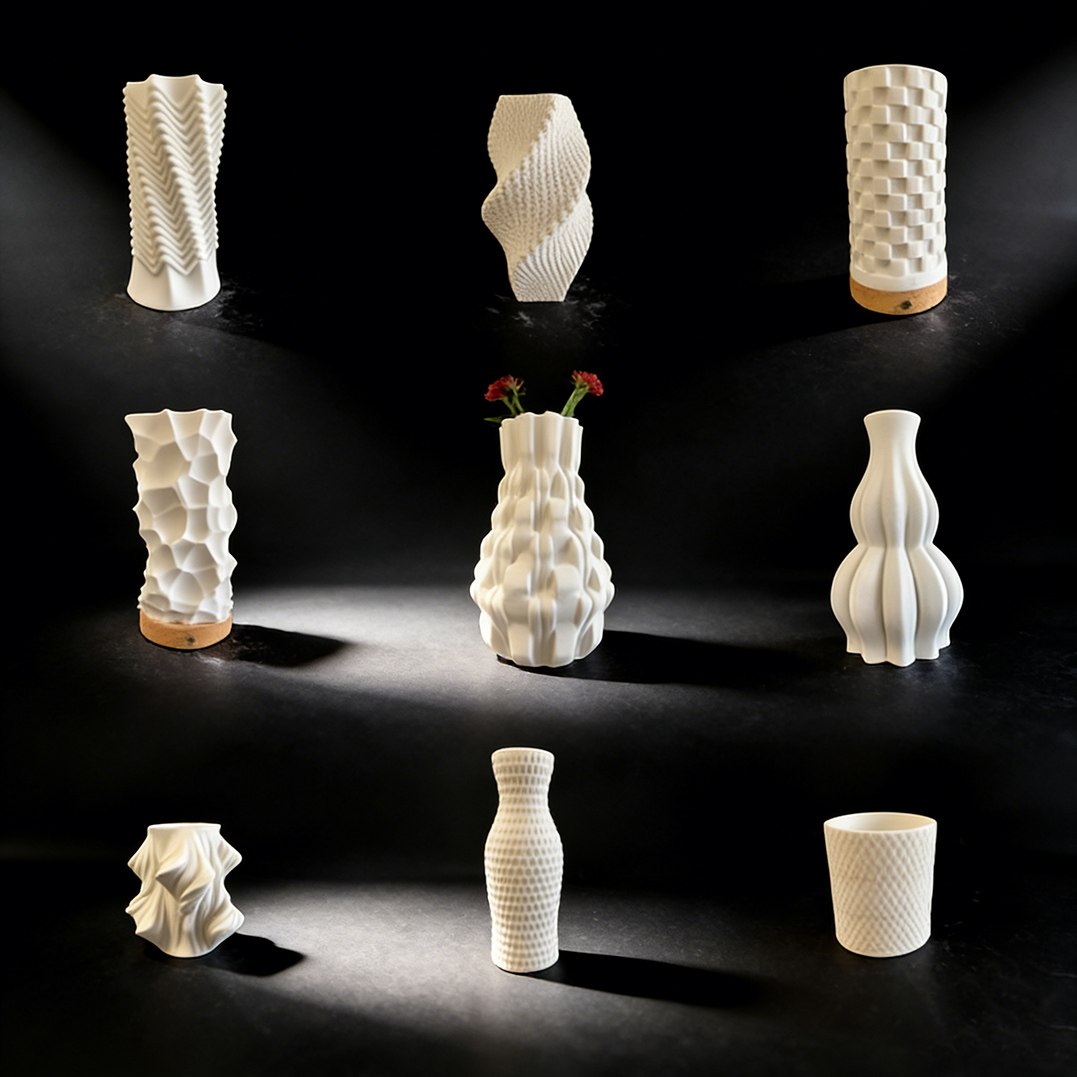
In-stock Products (YQTechDev Self-designed)

Customized Products (Made to Customer Design)
Whether you’re a beginner exploring 3D printing or seeking a machine for custom projects, YQTechDev 3D printers aim to deliver reliable performance at a sensible price. Here’s what sets us apart:
Be in Touch with Us