English
English
English
 Chinese
English
English
Chinese
Chinese
English
English
Chinese
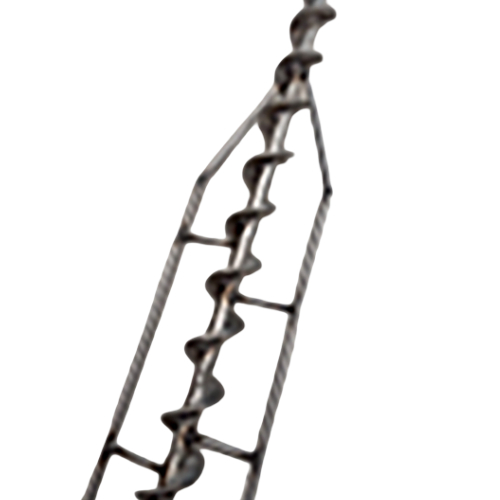
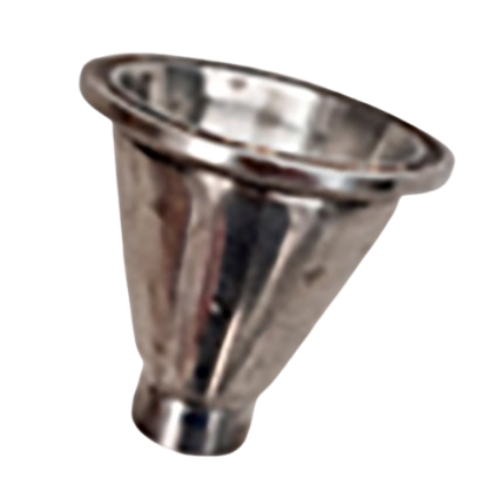
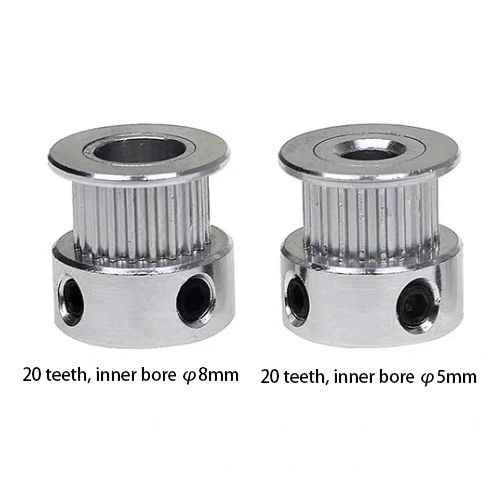
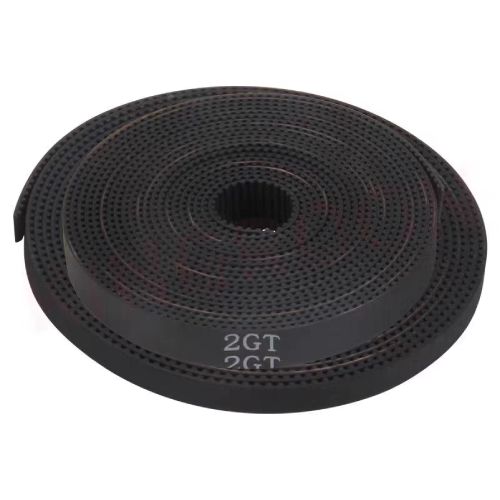
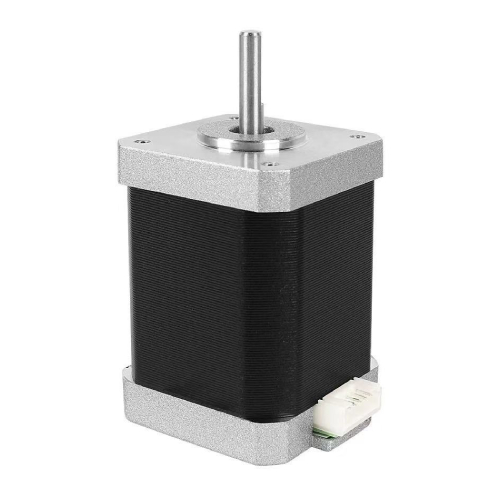
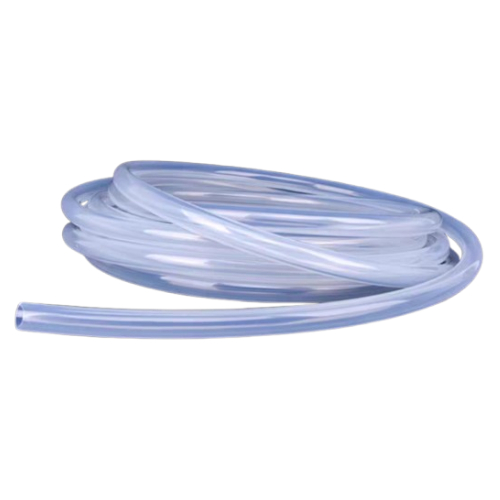
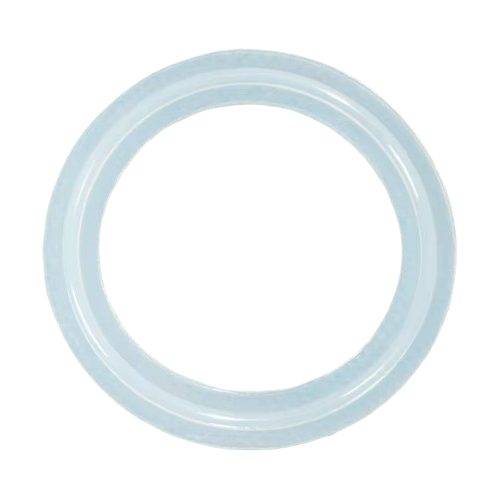
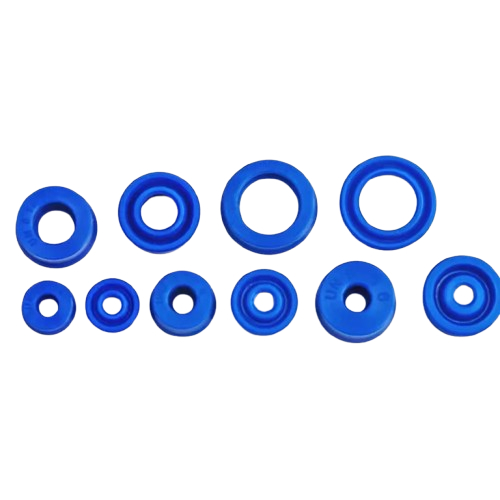
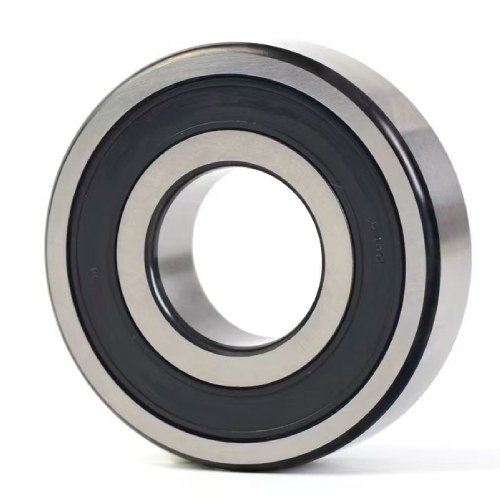
During long-term use of 3D printers, some parts need regular replacement and replenishment to maintain printing accuracy and efficiency. We provide compatible core vulnerable parts, including printing nozzles (wear-resistant, anti-clogging, suitable for high-viscosity materials), feeding pipes (high-pressure resistant, ideal for concrete/clay conveying), sealing rings (leak-proof, ensuring stable air pressure), screw and more. These accessories are compatible with mainstream models, solving problems like printing faults and material clogging caused by part wear. They can be quickly matched for daily maintenance or emergency replacement, ensuring stable printing process, and are available for purchase as needed.
The judgment criteria and cycles are as follows:
Print nozzle: Replace when there is uneven material discharge, inconsistent line thickness, or frequent clogging (especially after using high-viscosity materials). Regular usage cycle: 200-300 hours.
Feeding tube: Replace when inner wall wear causes increased material conveying resistance (shown by abnormal motor load) or material leakage. Regular usage cycle: 150-200 hours.
Sealing ring: Replace when air pressure is unstable, interlayer bonding force decreases, or obvious air leakage is detected. Regular usage cycle: 100-150 hours.
Be in Touch with Us