 English
English
English
 Chinese
English
English
Chinese
Chinese
English
English
Chinese
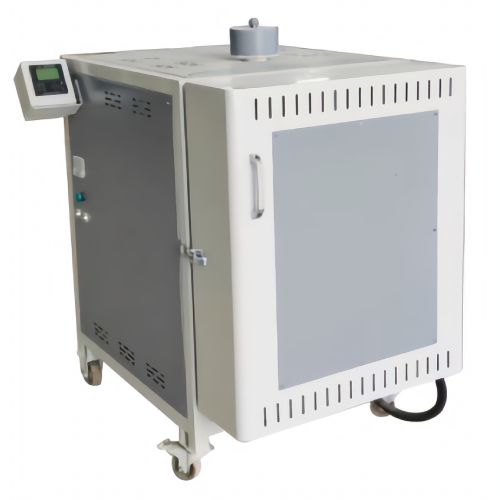
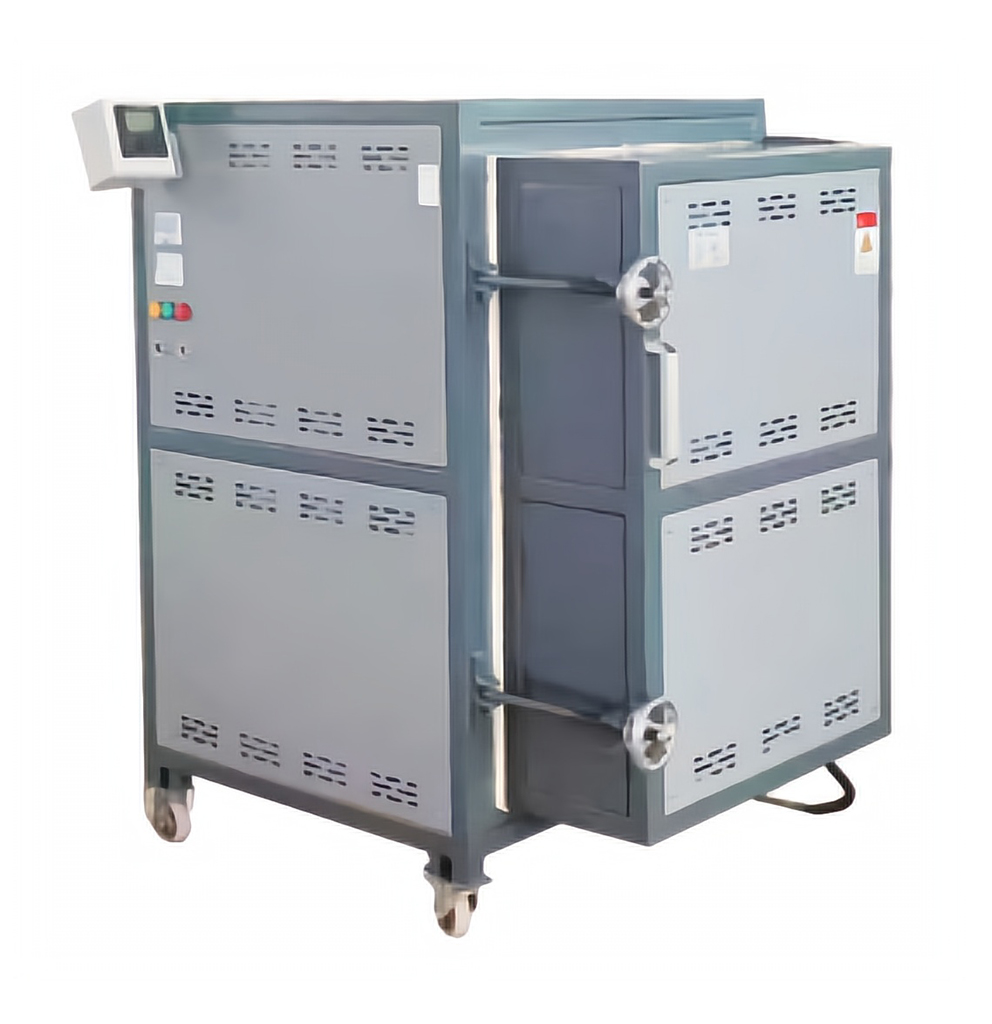
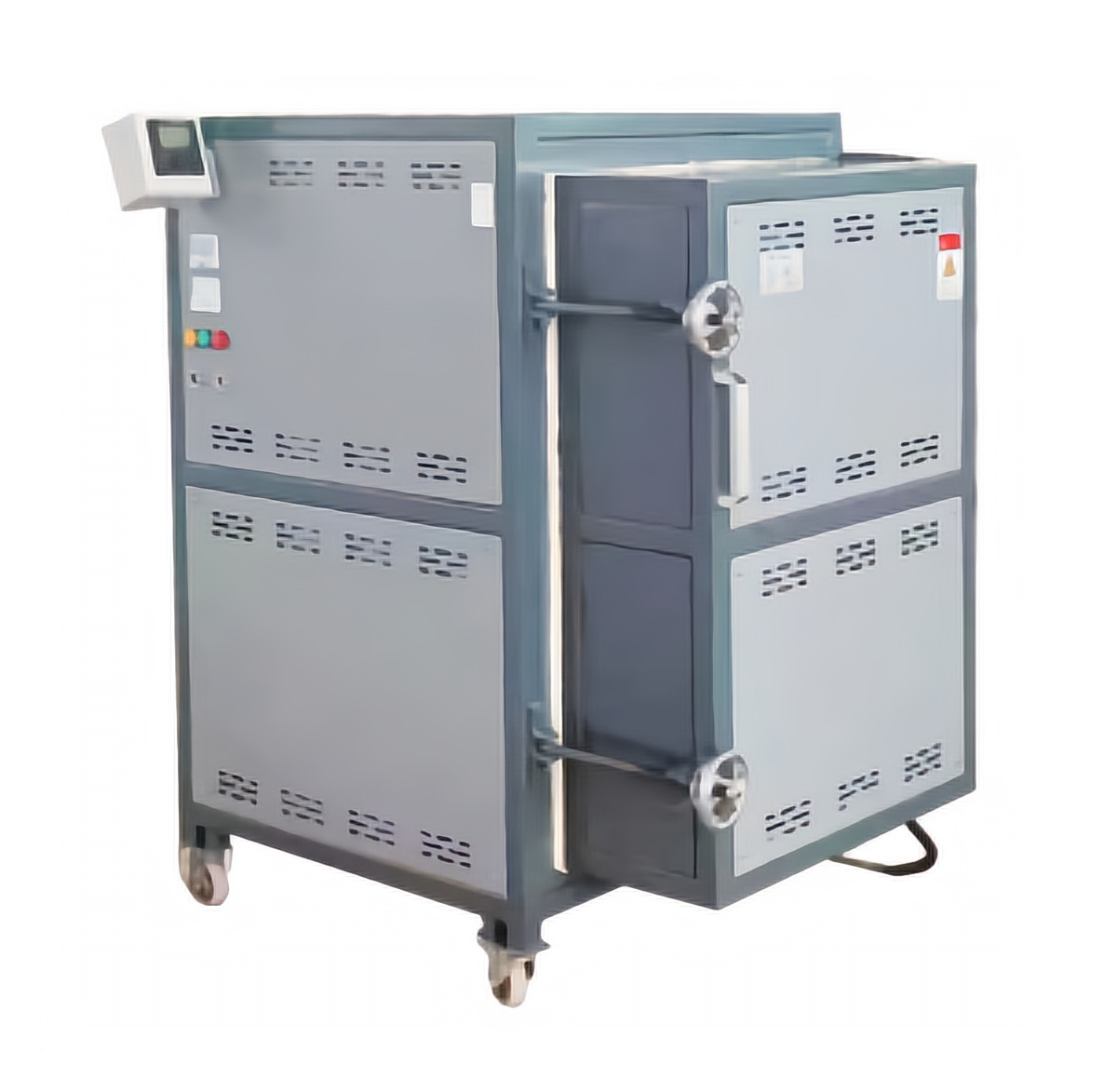
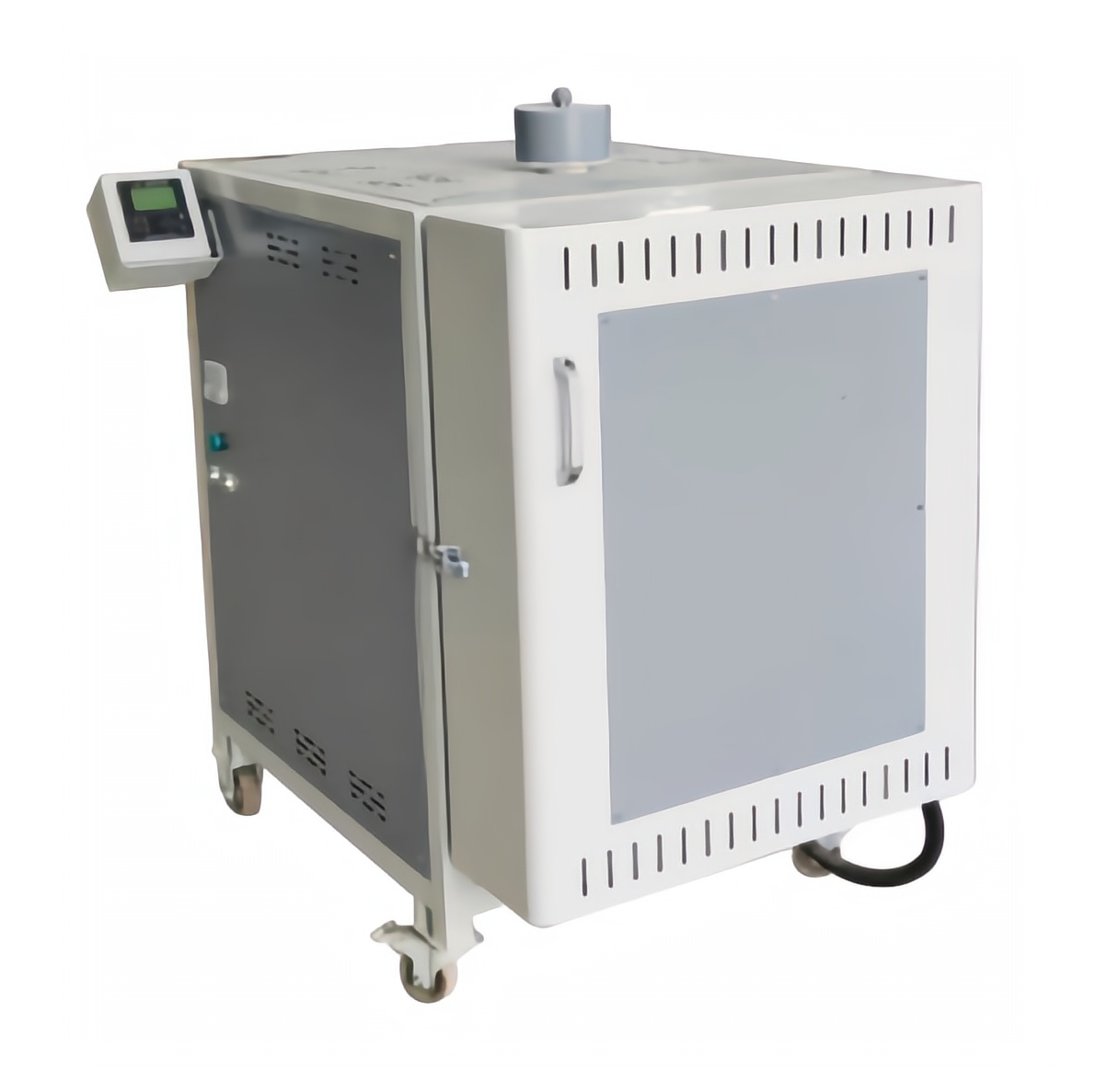
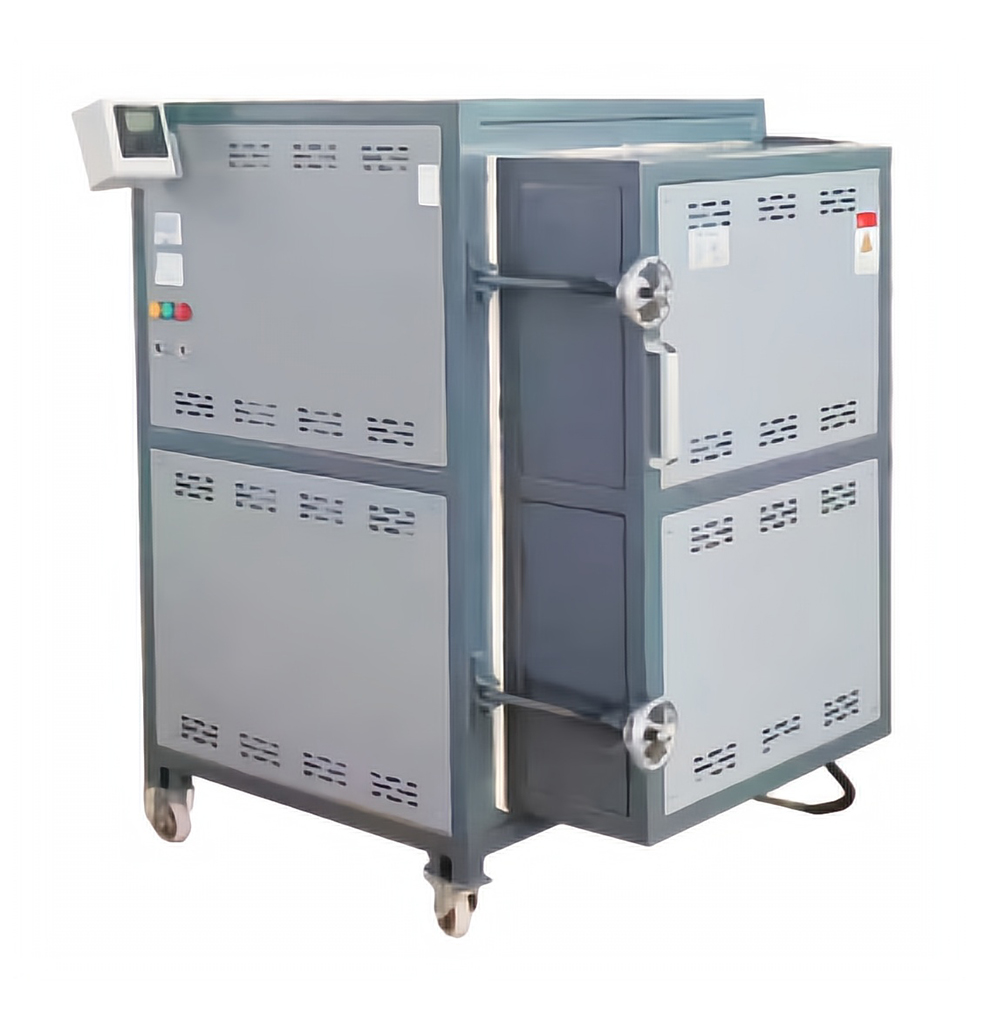
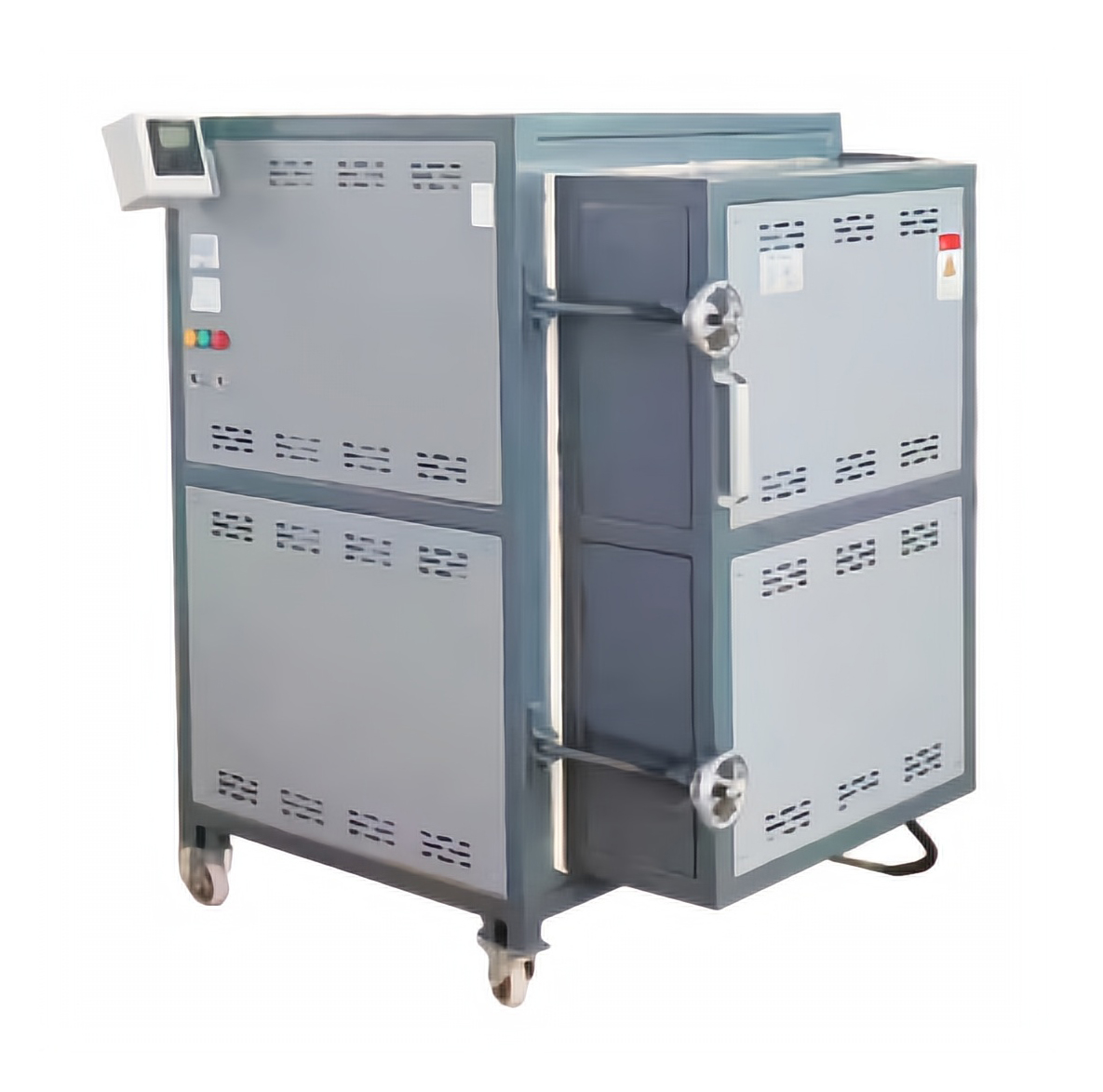
| Item | YHDY07 | YHDY13 | YHDY30 |
|---|---|---|---|
| Kiln capacity | 0.07 m³ | 0.13 m³ | 0.3 m³ |
| Power supply | 220V | 380V | 380V |
| Power | 10KW | 15KW | 27KW |
| Overall dimensions | 1258×720×1386 mm | 1280×1050×1740 mm | 1440×1200×1930 mm |
| Furnace chamber dimensions | 410×350×500 mm | 480×420×650 mm | 640×570×820 mm |
| Weight | 310kg | 390kg | 590kg |


3D-printed ceramic clay unfired bodies (greenware) require high-temperature firing in an electric kiln (typically 800–1300°C). This process transforms soft printed bodies into hard, durable ceramics, ensuring stable function and dimensional integrity after printing.
Electric kilns provide accurate temperature control through staged heating and heat preservation. This prevents cracking or deformation of unfired bodies while preserving the natural texture of ceramic clay or achieving desired color and gloss effects when glazing is applied.
Kiln capacity and heating speed can be matched to 3D printer output. Small-capacity kilns suit desktop printers and small-batch production, while fast-heating kilns support continuous printing workflows, minimizing downtime between printing and firing stages.
For small-batch production (daily output: 10–50 pieces, single piece size ≤ 20cm), the typical configuration ratio is 2–3 ceramic clay 3D printers paired with 1 electric kiln. This ratio is based on the core logic of matching production efficiency and firing cycles:
Be in Touch with Us