English
English
Chinese

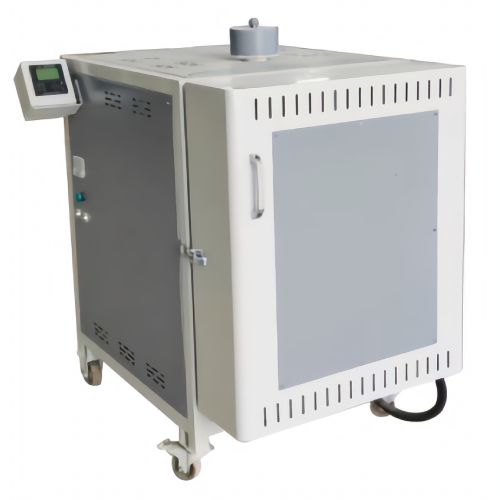
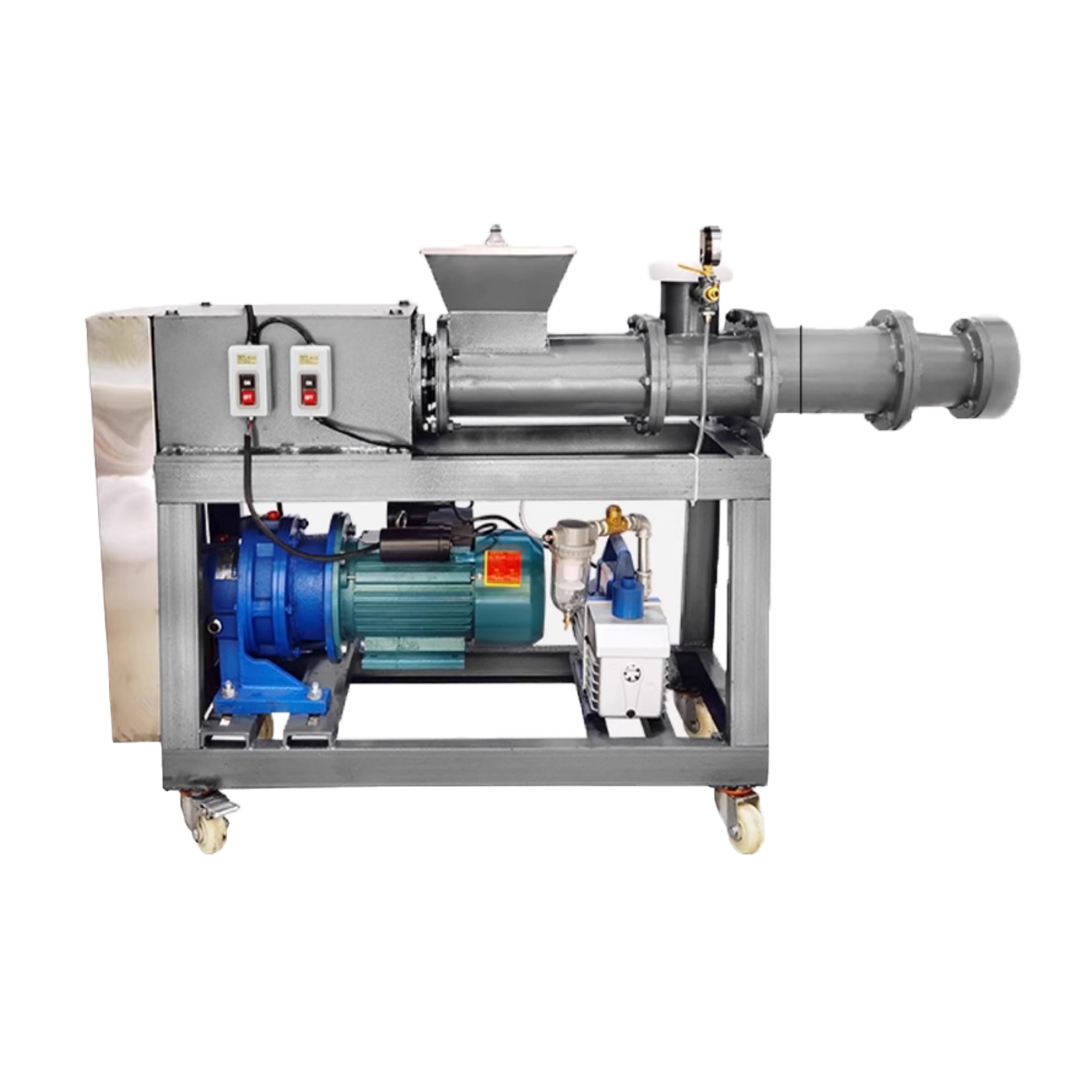
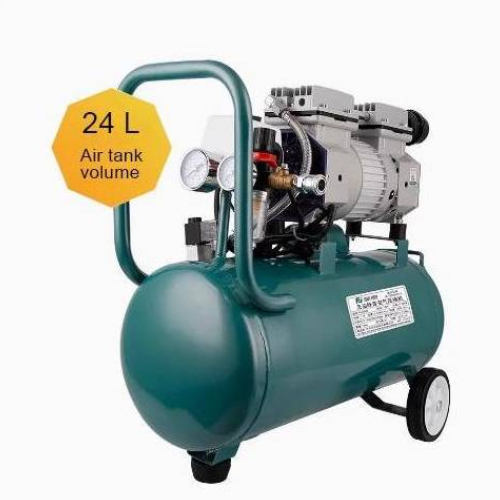
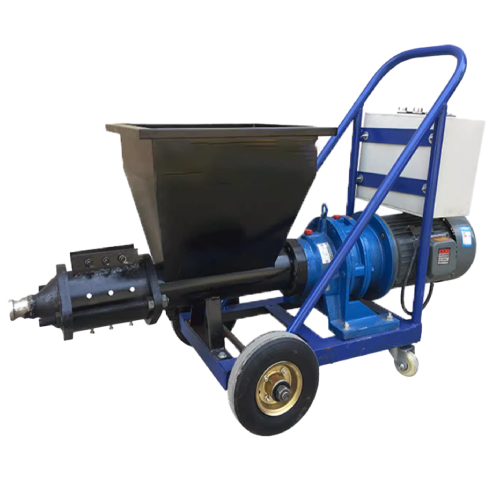
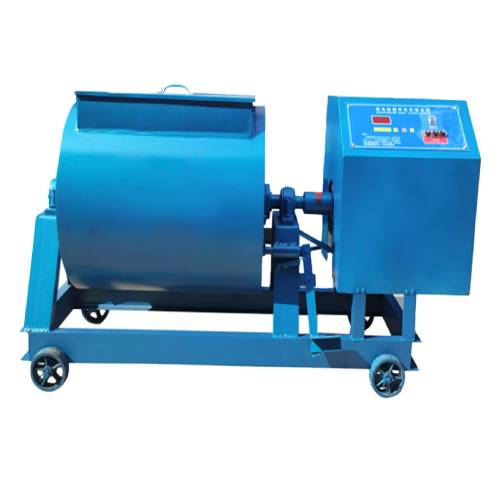
We offer compatible auxiliary equipment for clay and concrete 3D printers, including pumps, air compressors, mixers, clay kneaders, electric kilns, etc. These devices, as supplements to the printing process, work in collaboration with printers. Compatible with the properties of clay and concrete, they ensure material delivery, maintain air pressure, mix raw materials, optimize clay texture and facilitate post-processing. Available for selection as needed, they address material handling and post-processing requirements.
Sort by:

FAQ

The key is to check whether the existing auxiliary equipment can meet the requirements for ceramic clay, including bubble-free material, stable humidity control, and sintering needs. " Air compressor - The output pressure must match the working pressure required by the printer (usually 0.4-0.8MPa). Insufficient pressure will cause poor extrusion of ceramic clay, while excessive pressure may lead to loss of control. Gas flow rate: The air supply volume must meet the continuous printing needs of the printer (generally ≥30L/min). Insufficient flow will cause pressure fluctuations, resulting in uneven extrusion. Interface matching: The size of the air compressor's air outlet should be consistent with the printer's air inlet, or adaptable via an adapter, to avoid connection issues affecting air pressure transmission. In short, if the air pressure is sufficient, the air volume is stable, and the interfaces match, it can basically be compatible" Vacuum pug mill - Is the vacuum strength sufficient (vacuum degree ≥ 0.09MPa)? Can it completely remove air bubbles from the ceramic clay? (Otherwise, the ceramic may crack during firing.) Kiln - Can the maximum temperature reach the firing temperature required for ceramic clay? (800-1000℃ for earthenware clay, 1200-1400℃ for porcelain clay)

For the mixer, the key is whether it can mix the materials as required and supply sufficient quantities. For the pump, the focus is whether it can deliver the materials to the nozzle stably and accurately. If these parameters match, the equipment will generally be compatible. "Mixer - Proportioning Accuracy: Can it feed materials precisely according to the concrete formula required by the printer (the proportion of cement, sand, gravel, additives, and water)? The error must be ≤ ±2% (otherwise, if the material is too thick, it will block the nozzle; if it is too thin, it will collapse)." -Is the mixed concrete free of agglomerates and segregation (such as sand and gravel settling at the bottom or cement slurry floating)? Does the single mixing time meet the printer's requirements (usually 3-5 minutes; excessively long mixing will cause the concrete to set prematurely)? " -Output and continuity: Can the hourly mixing capacity match the printing speed of the printer? (For example, if the printer uses 500kg of material per hour, the mixer must be able to stably supply at least 500kg or more to avoid material interruption.)" " -Material adaptability: Can it process the sand and gravel particle size required by the printer? (For example, if the printer nozzle is designed for a maximum particle size of 5mm, the mixer must be able to handle sand and gravel of this size without jamming.)" "Pump - Pumping pressure and flow rate: Does the pressure match the requirements of the printer nozzle? (Insufficient pressure will lead to inadequate material feeding, while excessive pressure may cause pipe bursts or material segregation.) Is the flow rate stable? (Fluctuating flow rates will result in uneven printing layer thickness.)" " -Material feeding distance and height: Is the conveying distance/height from the pump to the printer nozzle within the effective range of the pump? (Exceeding this range will cause pressure loss and unstable material feeding.)" " -Material compatibility: Are the pipeline material and inner diameter of the pump suitable for the characteristics of concrete? (For example, whether the inner wall is wear-resistant, and whether the inner diameter matches the feed inlet of the printer to avoid material blockage

The auxiliary equipment for concrete and ceramic clay 3D printers are completely non-interchangeable, mainly due to differences in material properties and processing requirements. For concrete 3D printing, the auxiliary equipment focuses on properly preparing the material, stabilizing the shape, and ensuring strength through curing. For ceramic clay 3D printing, the auxiliary equipment focuses on removing air bubbles, controlling humidity, and achieving hardness through firing.

Yes, their roles are mainly reflected in four links: material preparation, printing assistance, post-processing, and quality control.